
Metro Plans December Public Input Sessions For Proposed Green Line Stations

In recent months, Metro has begun adding security gates to existing Metrolink stops. Gate installation began in Illinois, but over the next few months it will continue at seven Missouri-side stations. At the same time, Metro has been doing more publicity around the long-planned Green Line, formerly referred to as the North/South Line. This line would extend from Fairgrounds Park in north city to Chippewa and Jefferson at the edge of south city’s Gravois Park, Dutchtown, and Marine Villa neighborhoods. The Green Line would primarily follow Jefferson south from the area near NGA to its southern terminus at Chippewa.
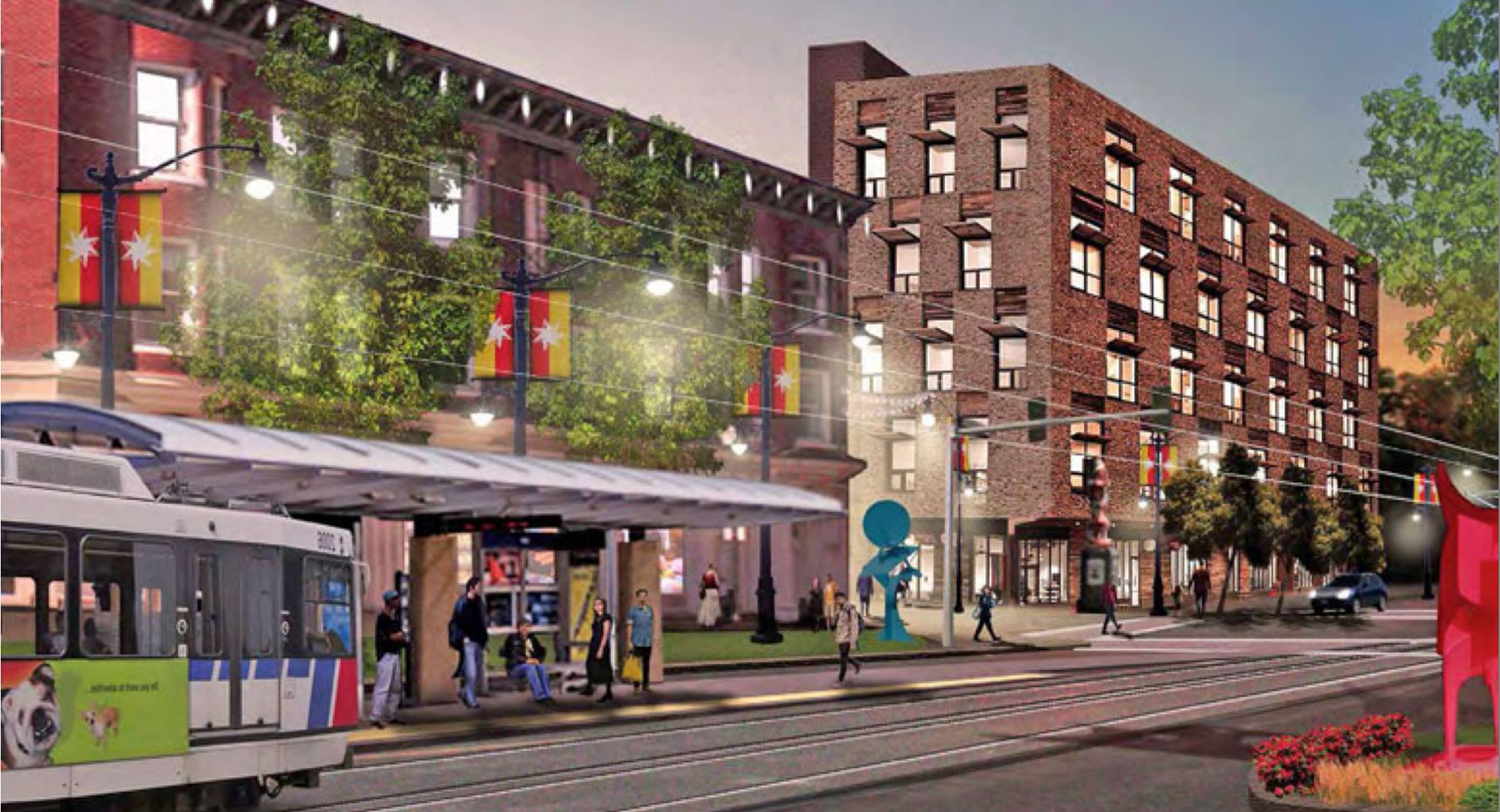
Also recently, many residents and transit users have been wondering how the new security measures would be integrated into the Green Line’s station design. Originally, the stations were to be modest in scale, fitting into the feel of the streetscapes and sidewalks. This would seem to be incompatible with Metro’s recent turn towards increased gating and other security features in the light transit line’s built environment. When asked about how these stations are being reimagined for Metro’s new, higher security standards, Metro representatives responded that the design process is about to seek public input on new station designs. “The purpose of these workshops is to show examples of station designs, amenities, and safety and security options from around the United States, and for attendees to tell us which ones they like so the project team can design stations that residents and businesses will like. Once the dates, times and locations for the workshops are solidified, we will let you know.” said Bi-State Development President and CEO Taulby Roach. While this may not satisfy some who have significant questions about how the new stations’ security features will function, this does give the public opportunities to see the potential designs and share their feedback with Metro staff.

At these December meetings, residents and transit users will have their chance to weigh in on how the stations will look and function. Questions riders have about the Green Line having staff to let folks with bicycles and strollers through side gates shouldn’t be an issue, as Metro leadership stated, “This will not be a concern for the MetroLink Green Line, since it will not require manned access points. The security gate system will be designed with the flexibility to allow our team to easily respond to higher customer demand, for instance, during special events.”
Metro is currently planning on Green Line construction starting in 2027, with the goal of being in service by 2031. According to Roach, “The project is currently in the environmental review process and preliminary design. The process should be completed Spring 2025.” After this, the project will be submitted for review and consideration for important federal funding that is needed to complete the effort. If this is successful, the project will move into bidding and construction. ”Any property acquisition and utility relocation work will be first and could occur as early as 2026. Please note that there is no significant property acquisition planned at this time,” added Roach.
As for how to find the dates, times, and locations of December’s public input session, Roach asked that we “encourage your readers to sign up to receive project updates and workshop information at MetroLinkGreenLine.com.”


