
City 66 at NBAC: Rediscovering Urban Route 66
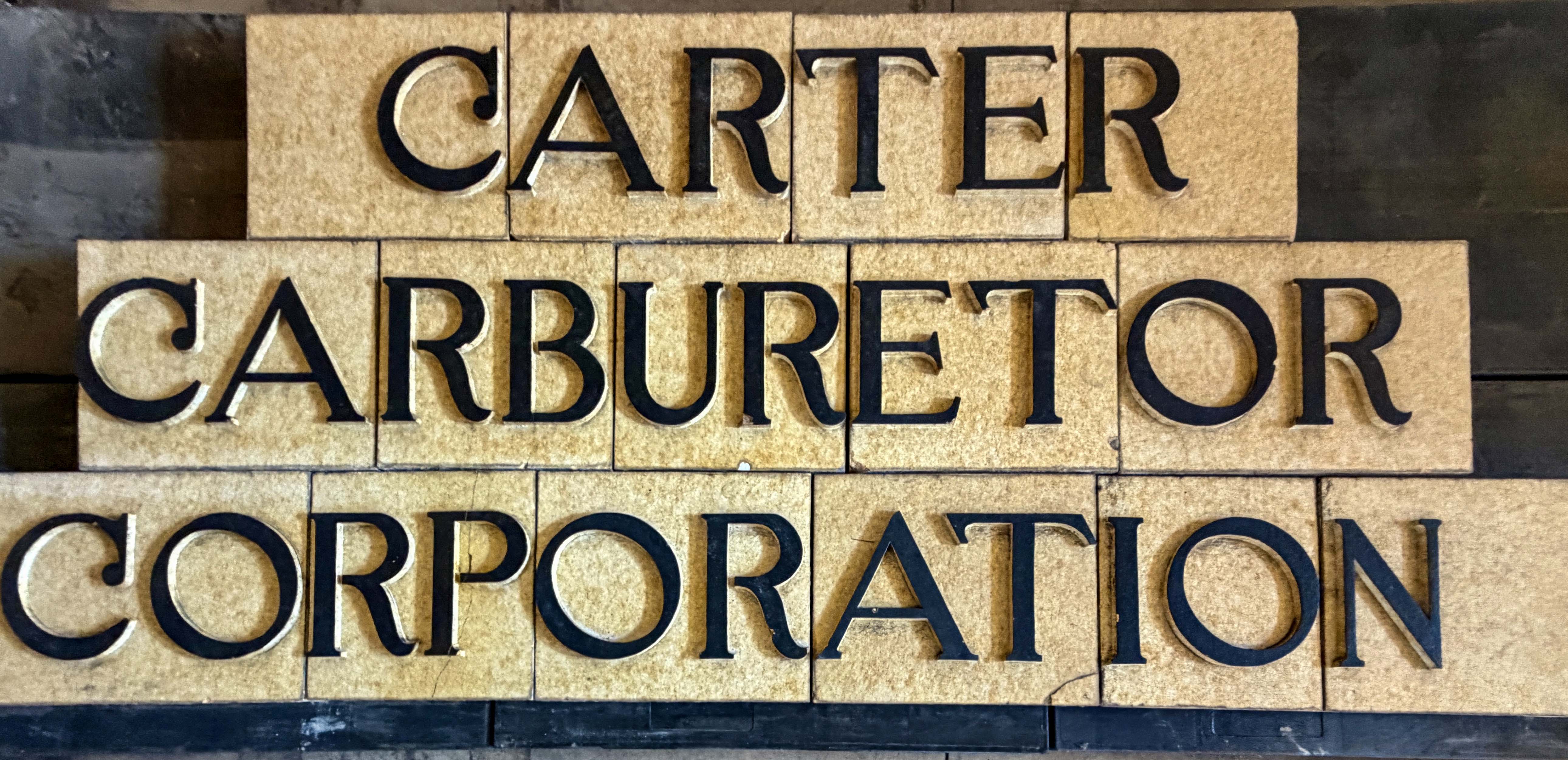
City 66: The Other Road, on display at the National Building Arts Center (NBAC) until October 17th, 2026, offers a materially anchored correction to the familiar Route 66 symbolic mythology. The so-called “Mother Road,” was designed, as the show tells us, to connect Chicago and Los Angeles, two of America’s largest metropolises. But Route 66 passed through many other American cities along the way, St. Louis being the biggest of these in-betweeners. The image of Route 66 being interrogated in this exhibit is one of the open road, a pastiche of motel signs, diners, neon, mid-century design, dusty pastels, Americana kitsch, and the promise of getting out of town.
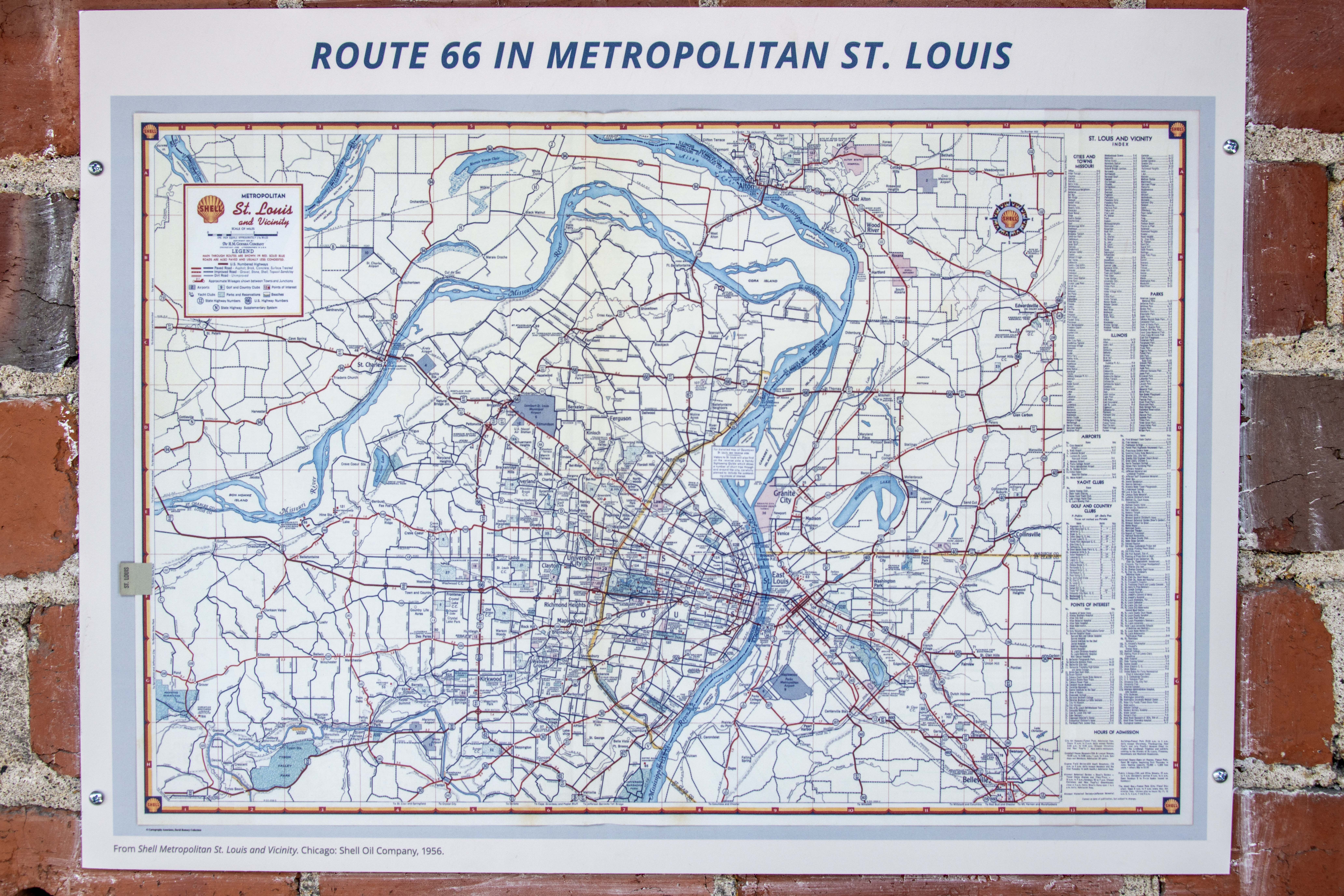
City 66 makes the case that Route 66 was also an urban road, with its own distinctive visual vocabulary. Using salvaged architectural elements sourced from buildings along several different configurations of the motorway’s passage through the St. Louis metropolitan area, the exhibit is organized around five different alignments the highway followed through the city’s urban and suburban landscapes. The exhibit moves us conceptually, artifactually, and spatially from the Chain of Rocks Bridge, through multiple neighborhoods, before departing the city via its rapidly developing mid-century suburbs.
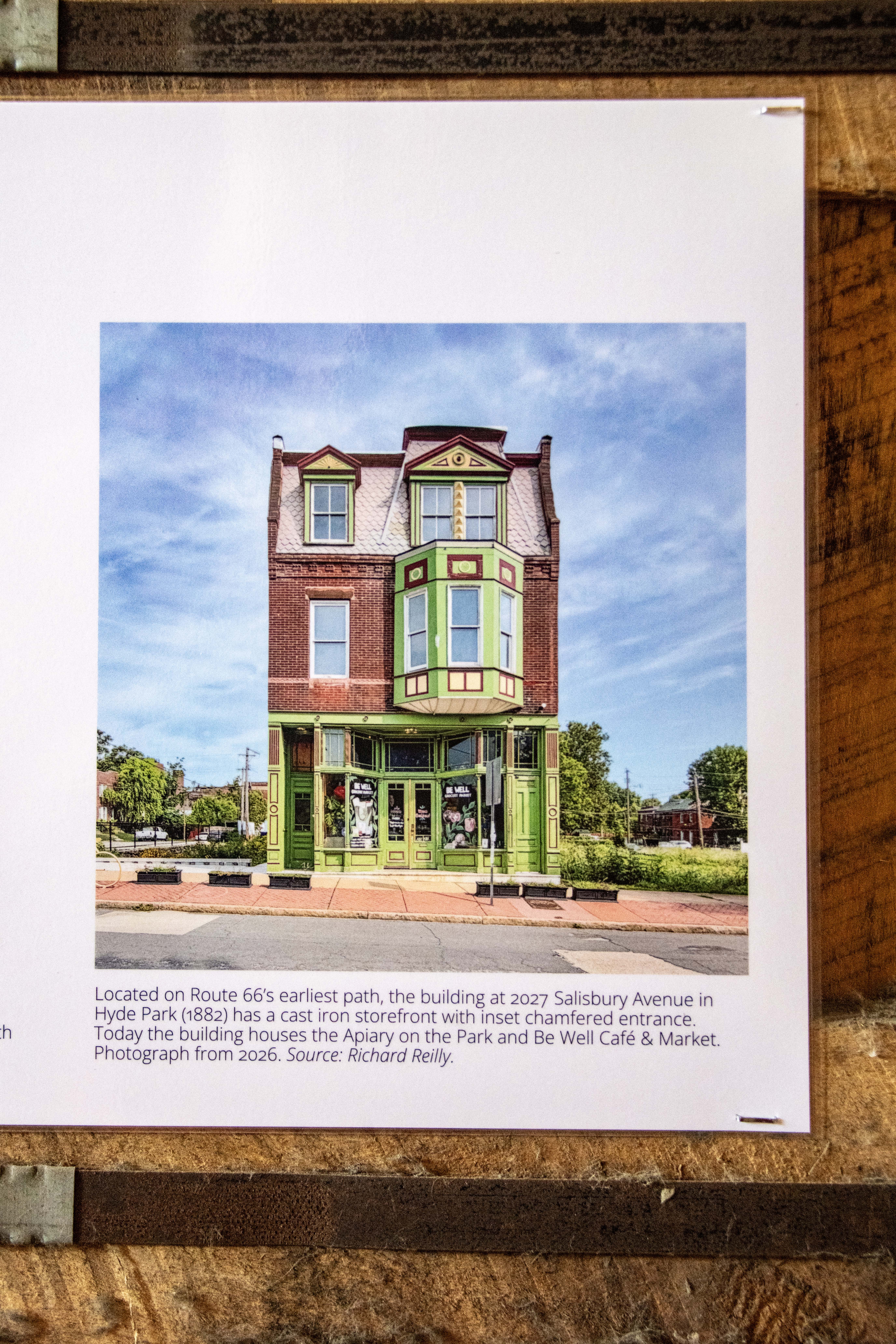
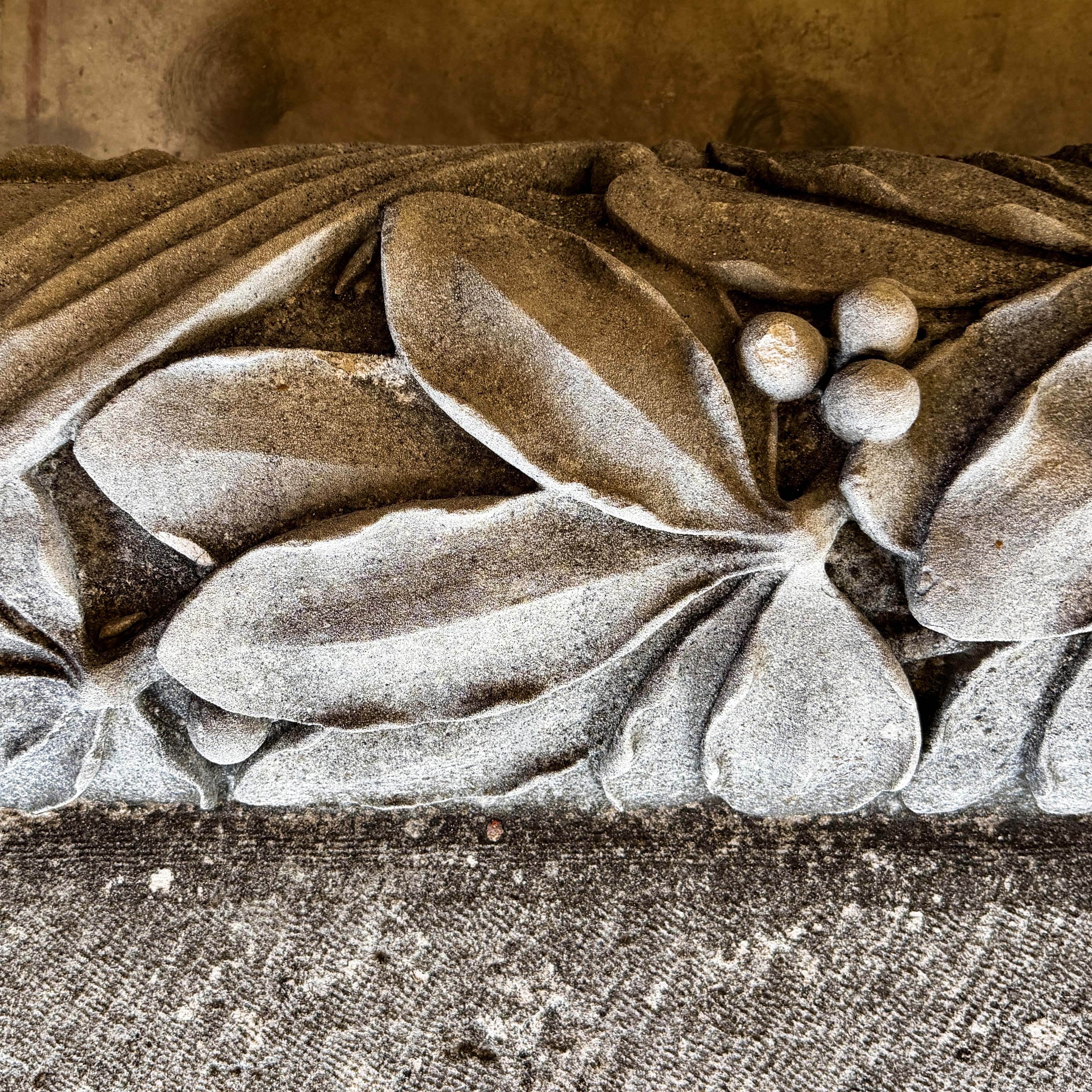
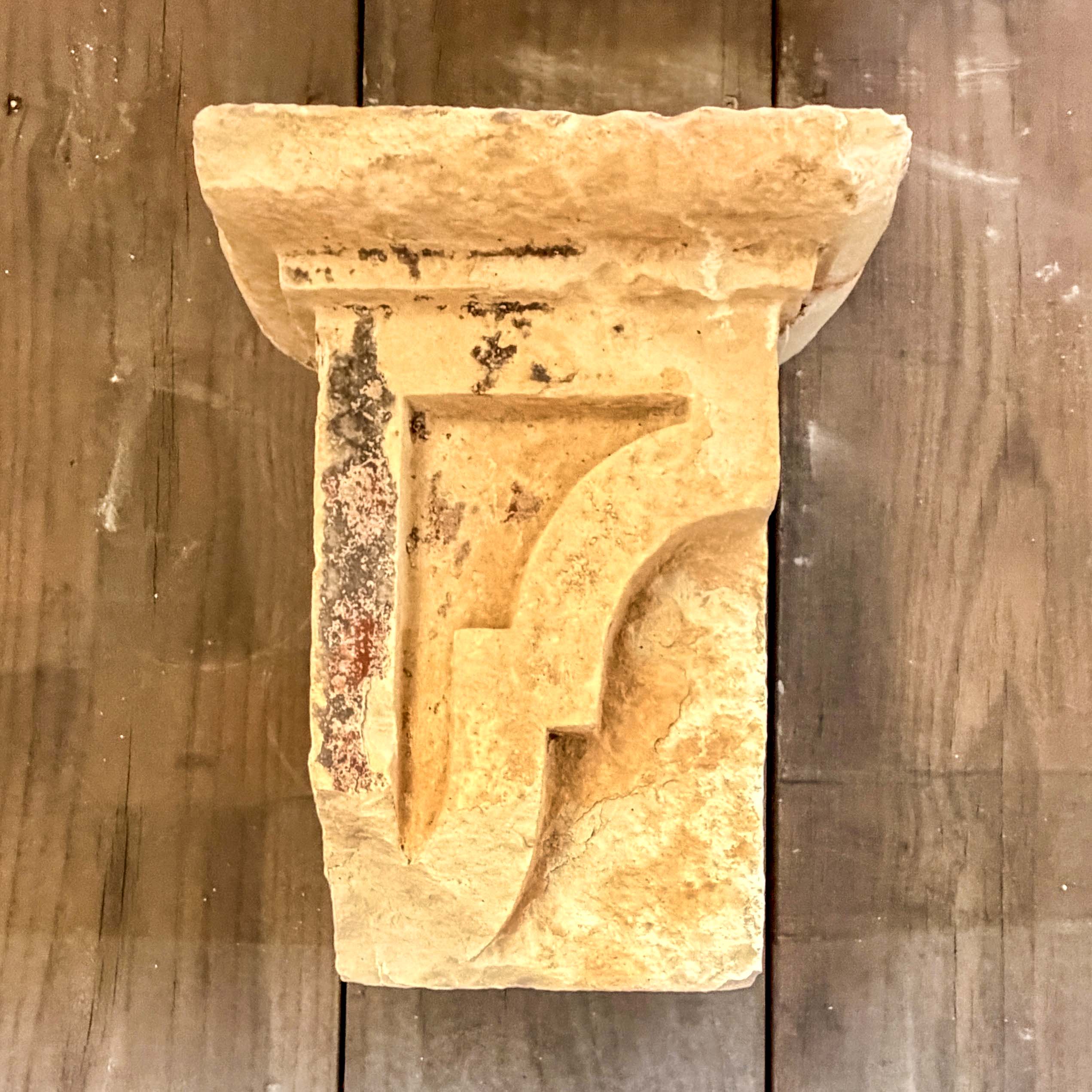
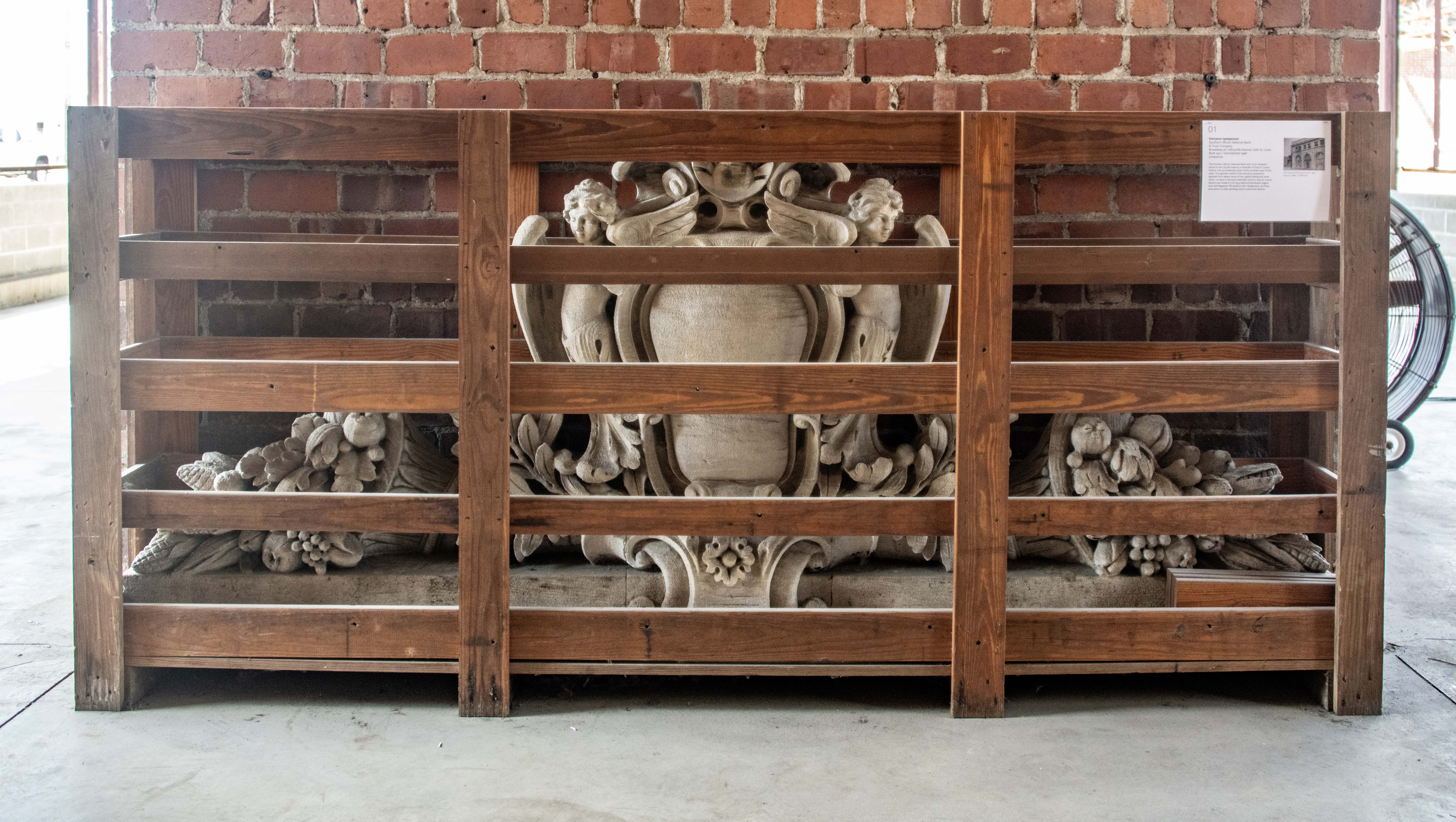
This itinerary is choreographed around thirty pieces from the National Building Arts Center’s world-class collection of decorative architectural elements, arranged within a space enclosed on three sides by stacks of sturdy wooden shipping crates. I found this choice to not only thumb its nose at the white cube, but also to be a clever nod to the biographies of these objects—each was made somewhere, installed somewhere, and is now preserved somewhere else. Each piece was selected and staged to draw attention to something of what Route 66 motorists and passengers might have seen through their windows as they drove through town. The media range from decorative brick and terracotta, storefront columns, stonework, relief panels, signs, clocks, light fixtures, glass, to cast and wrought-iron, assembled as snapshots of a city encountered in motion, all thoroughly captioned to provide provenance and context for the objects and accompanied by photographs of the buildings from which they were salvaged.
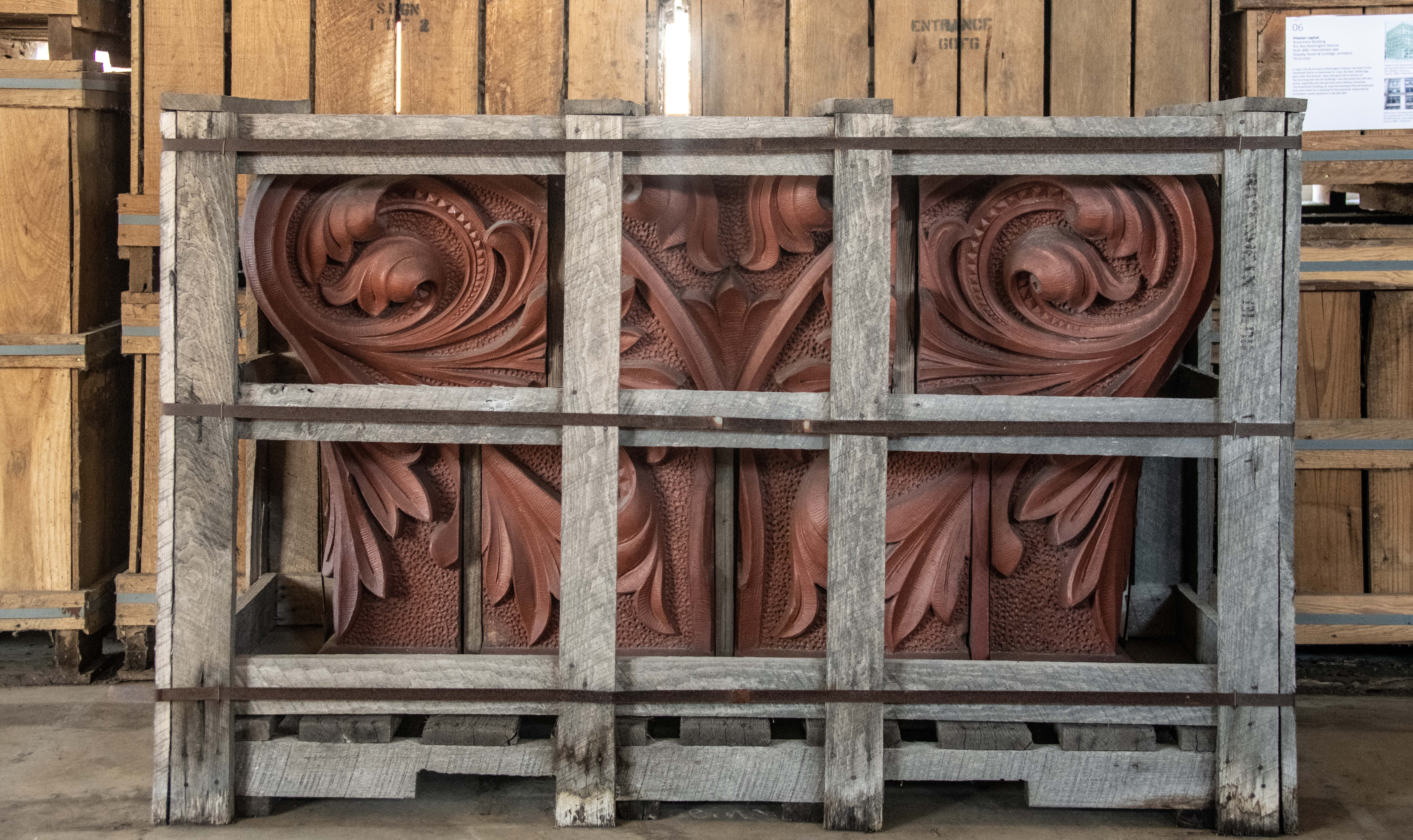
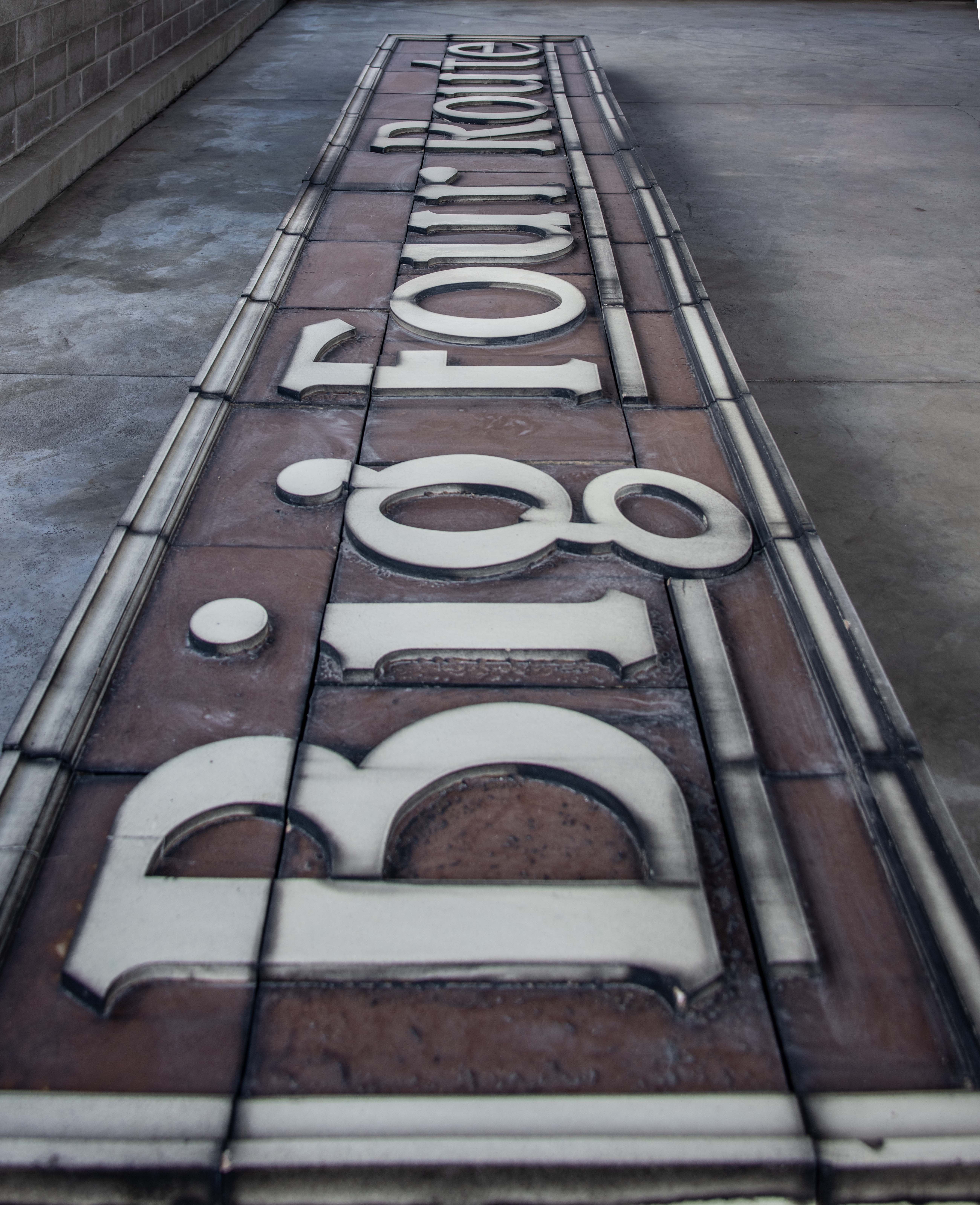


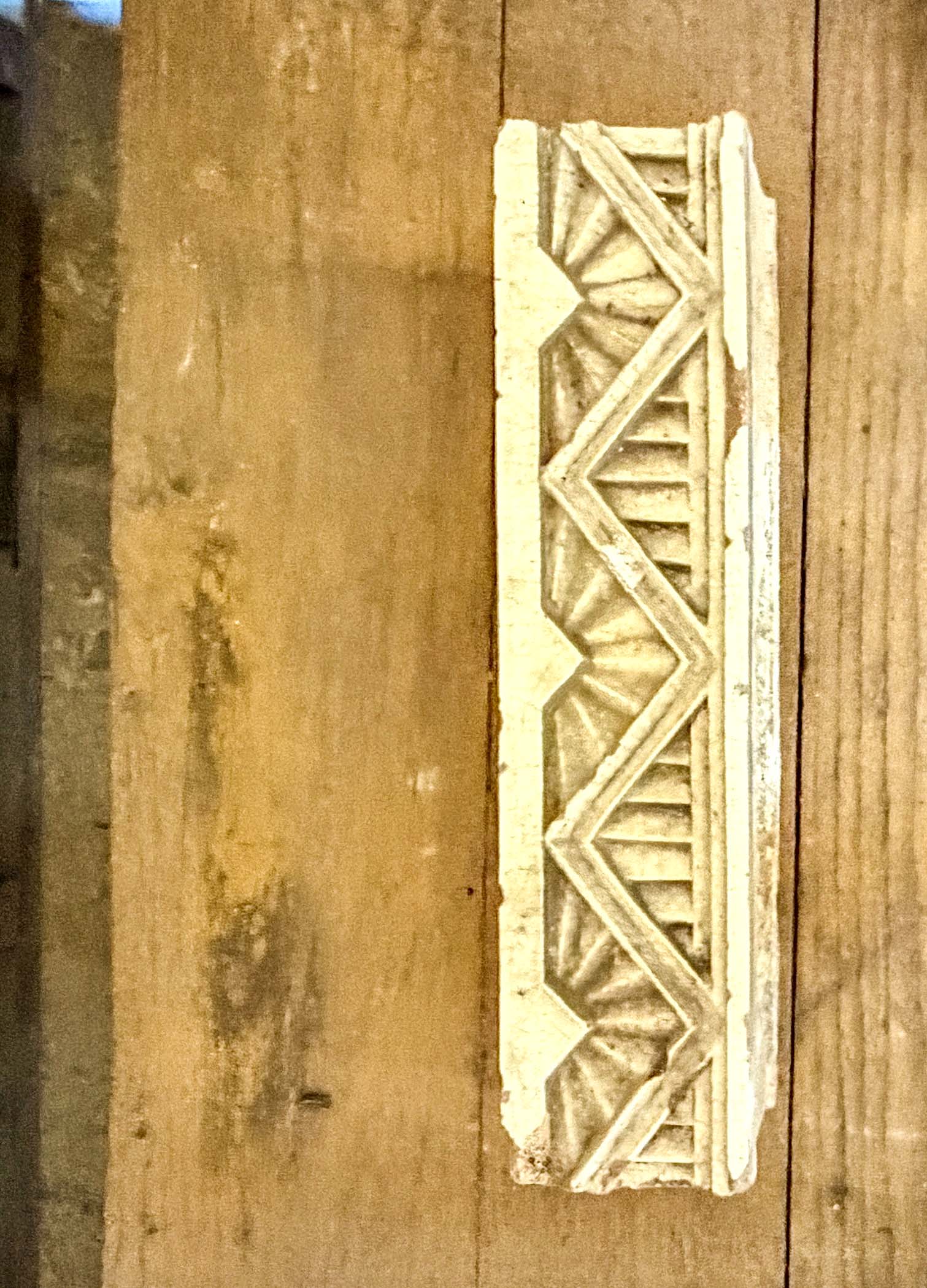
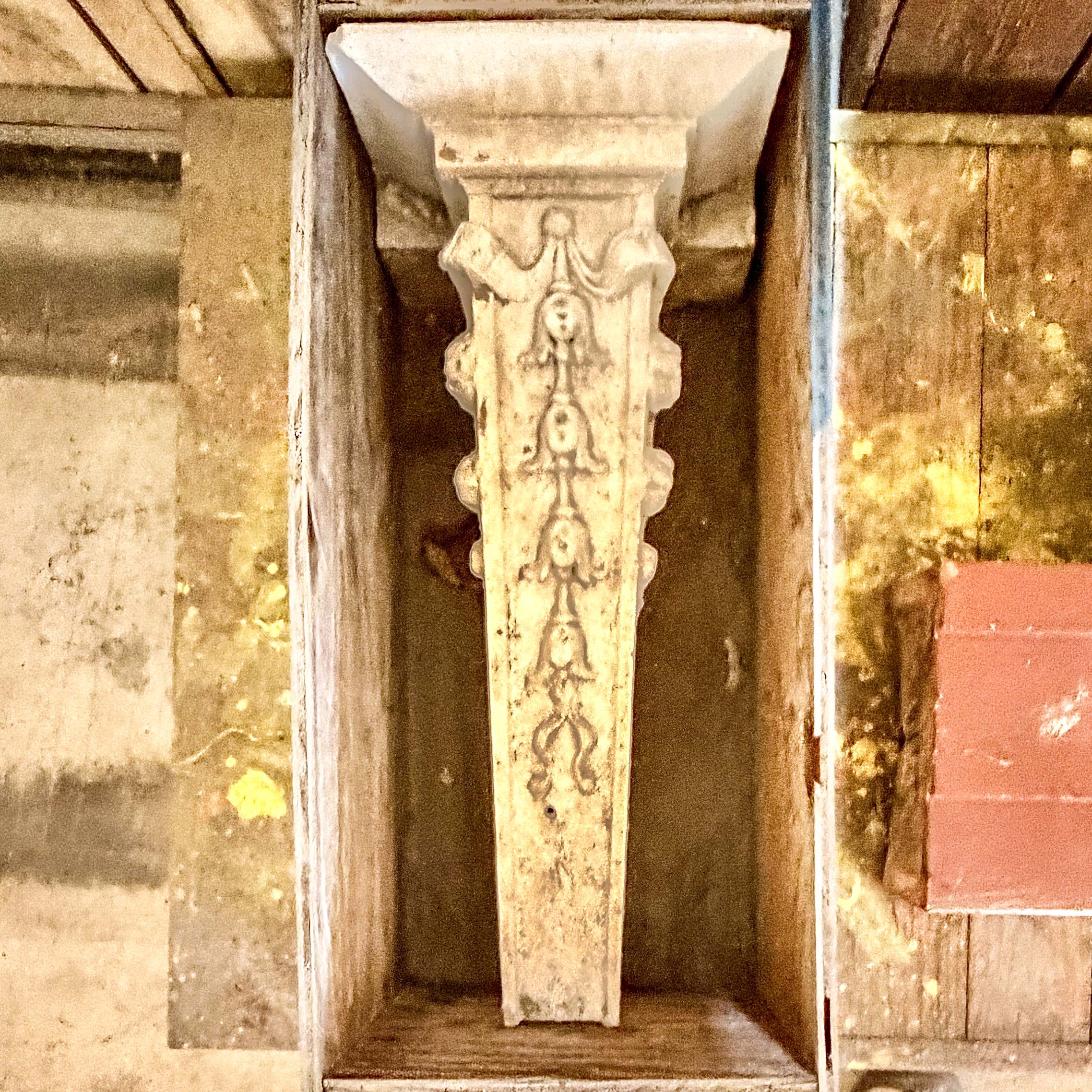

Photos by Richard Reilly
Matching form with content, the exhibit moves us from downtown St. Louis to the North Side, Midtown, South City, and finally into the County, making City 66 a kind of transect through twentieth-century St. Louis. Downtown, the highway passed civic monuments, warehouses, streetcars, and eventually the cleared blocks and projects of urban renewal—represented in the exhibit by objects such as carved stone plaques, column capitals, and a ventilation grille (a real highlight of the collection, by the way!). On the North Side, travelers would have traversed neighborhoods shaped by industry, immigration, parks, churches, commercial streets, and the dense red-brick fabric of the nineteenth-century city—manifested through artifacts such as ornamental bricks used in vernacular dwellings, storefront signage, and another real highlight: a painted crest from the Nord St. Louis Turnverein. Midtown offered the traveler quite a different landscape, as well as two distinct routes through the city that passed theaters, universities, mansions, working-class neighborhoods, along with the clay mines and terra-cotta factories around Cheltenham. Here the exhibit begins to explore a new theme, stepping away from ornament and featuring other elements of the built environment, such as an aluminum trash can and an exterior light standard from the DeVille Motor Hotel. As the exhibit guides you farther south and west, the story told by the wall text and objects increasingly becomes one of the automobile’s role in remaking the American metropolitan landscape. Road widening along Gravois and elsewhere, eminent domain, interstate construction, businesses catering to motorists, subdivisions, and suburban municipalities all followed paths Route 66 had worn into the city’s economic and cultural life. The exhibition’s written materials explicitly connect these transformations to displacement and segregation as well as to mobility and growth; as we know well from Michael Allen’s most recent exhibits on display in St. Louis, the interstate highways cut through some communities and bypassed others, all while the demographic and economic center of gravity in the city shifted away from the older urban core.
If I were pressed to offer a critique, I might say that despite the show’s thoughtful refusal of romanticized Route 66 nostalgia, its physical structure as an exhibit encourages a particular choreography of engagement, guiding viewers to move through the space as a motorist might have the city. The highway supplies the itinerary, and the motorists’ field of vision constitutes the basic curatorial conceit: these are things that might have been seen from the road. My academic training impels me to instinctively ask: “but isn’t the view through a windshield a very particular way of knowing a city?” And “what do we get out of this way of seeing as opposed to some other one?” The design of the exhibit directs our attention in a particular way, and I’m not sure it quite sticks the landing. But that’s a minor quibble! More charitably and generatively, we might say that there are actually two exhibits in City 66. One, a provocative and effective intervention into our understanding of Route 66 as equally an urban phenomenon as one of freeway vistas, and the other, an investigation of how the city of St. Louis was changed by its incorporation into continent-spanning networks of asphalt, rubber, gasoline, and dollars. Using fragments from buildings this highway once connected, City 66 not only reframes the visual vocabulary of Route 66 but also tells a larger story about what St. Louis built, abandoned, demolished, and carried with it into the automobile age.
In other words, while there are some minor conceptual issues to nitpick with the exhibit’s structure and strategy in relation to its own stated aims, it’s a show well worth anyone’s while. As the latest installment of a series of public presentations of St. Louis’s urban archaeology using the NBAC collections, these remains continue to take on new meanings as they recirculate through fresh contexts. Notably, in light of the upcoming Counterpublic Triennial—which will certainly bring a greater volume of visitors to the National Building Arts Center in Sauget than would turn out during a normal autumn weekend—this is a timely exploration of the ruins of a century of the city’s built environment and its shifting landscapes of connectivity.
One last thing: make sure to check out and spend time with the other works on display across the NBAC campus and talk to the staff and artists on-site when you visit!

Kyle Olson is an archaeologist, anthropologist, and historian working on the history and heritage of Iran, Turkey, and the Mississippi Valley. His research and teaching focus on the relevance of archaeology to contemporary life, concentrating on the diverse ways that the past is used across cultural, political, and economic domains.


