The People are the Skyline
For thirty years, St. Louis has operated under a persistent, expensive delusion: “If you build it, they will come.” We have chased the horizon with individual government projects, entertainment districts, stadiums, and now data centers, hoping that the next shiny object would finally be the magnet that reverses our population trends. But as we look toward the rebranding of our city in 2026, we must finally admit the truth that successful cities have known all along: good cities are built by hundreds of individuals creating inclusive communities, not by concrete and steel.
Our civic leaders and politicians need a new theory of change. Success shouldn’t be measured by the height of a new skyscraper, but by the vibrancy of the people on the street. To truly grow, our leaders must take themselves out of the frame. For too long, our attraction efforts have catered to a narrow demographic while ignoring the groups actually driving urban growth in the mid-2020s.
If you want to see where the future of St. Louis is being written, look to what I affectionately call the “Two L’s”: Latinos and Lesbians. These are the groups that seldom occupy the highest rungs of our traditional civic leadership. Yet, in every growing city, they are the ones creating the new cultural words, the vibes, the parties, the festivals, and the small businesses that define a neighborhood’s soul. They aren’t asking for a stadium; they are asking for a community where they can thrive.
Take the story of Ricardo Recci Gonzalez and his brother, Angel. Ricardo moved to the St. Louis area from Puerto Rico in 2013, arriving as a high school student who spoke no English. After a stint in New York City, where he experienced the electric sense of belonging that a vibrant Hispanic culture provides, he chose to return to St. Louis in 2018. He didn’t come back for a new building; he came back to build a voice.
Today, Ricardo and Angel are the architects of a new St. Louis media trilogy. From launching Telemundo St. Louis to lobbying for the region’s first Spanish-language radio station through iHeartMedia, they are filling the cultural void that once made St. Louis feel like an afterthought to international Latin artists. Their company, APR Entertainment, is bringing Grammy-nominated acts to town and hosting festivals like Fiesta Cardinales. They are proving that when you give people the infrastructure to “Be You,” they don’t just move here; they stay and invest.
This brings us to the two brands St. Louis must embrace in 2026: “Be You” and “Easy Living.”
The “Be You” brand is a promise of belonging. It says that St. Louis is a city where you can find your tribe, whether you are a Puerto Rican entrepreneur or a queer artist from the coast. The “Easy Living” brand is our competitive edge. In an era of skyrocketing coastal costs, St. Louis remains affordable. It is affordable to live here, affordable to eat here, and affordable to start a business here.
A brand doesn’t have to be 100% true today; it just needs to be believable and achievable. My office and State Representative Marty Joe Murray are currently sponsoring a summer project with our interns to turn these concepts into reality. We aren’t just chasing “vibes”; we are chasing the long-term growth of land deeds, birth certificates, and marriage licenses. We are leading a population study in which we are asking the over 80,000 people who have moved to St. Louis in the past 10 years, “What attracted you here?” There is much research on why people leave the city, but little on why people arrive and stay. Our focus is on listening to the people of our city and turning their stories into a marketing campaign that will increase the city’s population.
We have seen glimpses of this success before. The STL MADE campaign made a genuine, diverse impression of our city and its people. It’s no coincidence that it was led by Jason Hall, an extremely competent and successful gay man who, while from the region, was not originally from the city itself. He understood that the city’s strength lies in its ability to attract and empower those who choose to be here.
As we move into 2026, let’s stop focusing on the skyline and start focusing on the people. If we build a city where the “Two L’s” and every other diverse group can truly “Be You,” the growth will follow. We don’t need more buildings; we need more stories like the Recci brothers. It’s time to let the people lead.

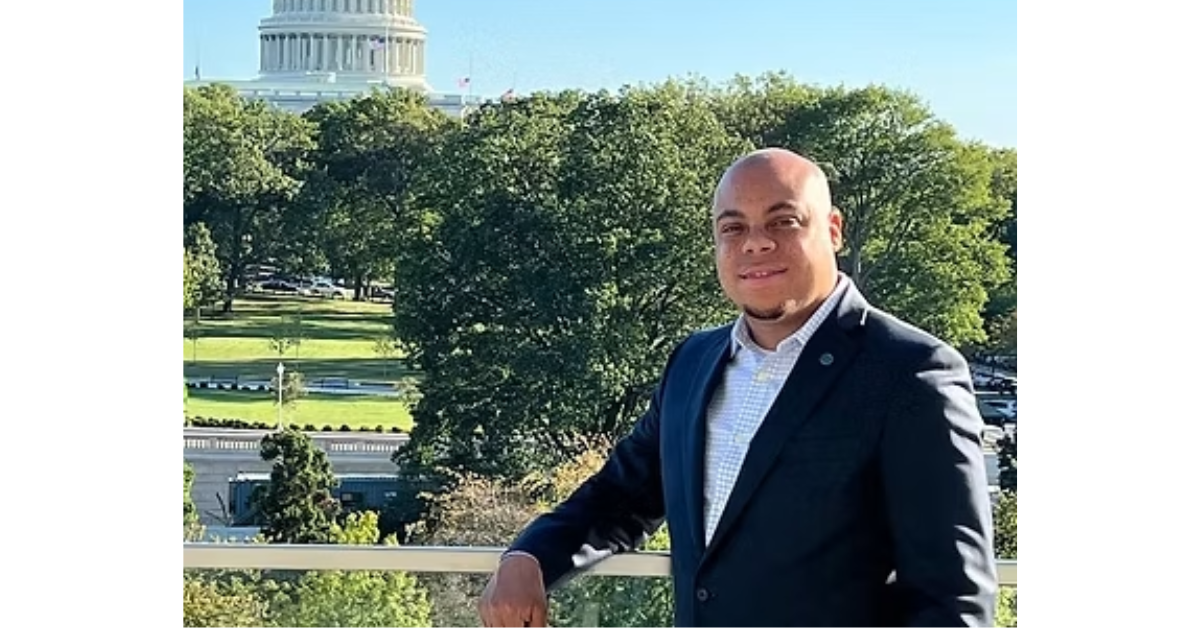
Michael Butler is the outgoing Recorder of Deeds for the City of St. Louis. Prior to this, he served as a state representative for St. Louis in the Missouri legislature.