
The Right Time for Energy Efficiency: A Sustainable Future
“The time is always right to do what is right.”
Dr. Martin Luther King Jr.
In the realm of sustainability and energy efficiency, the ‘right time’ is lasting generations.
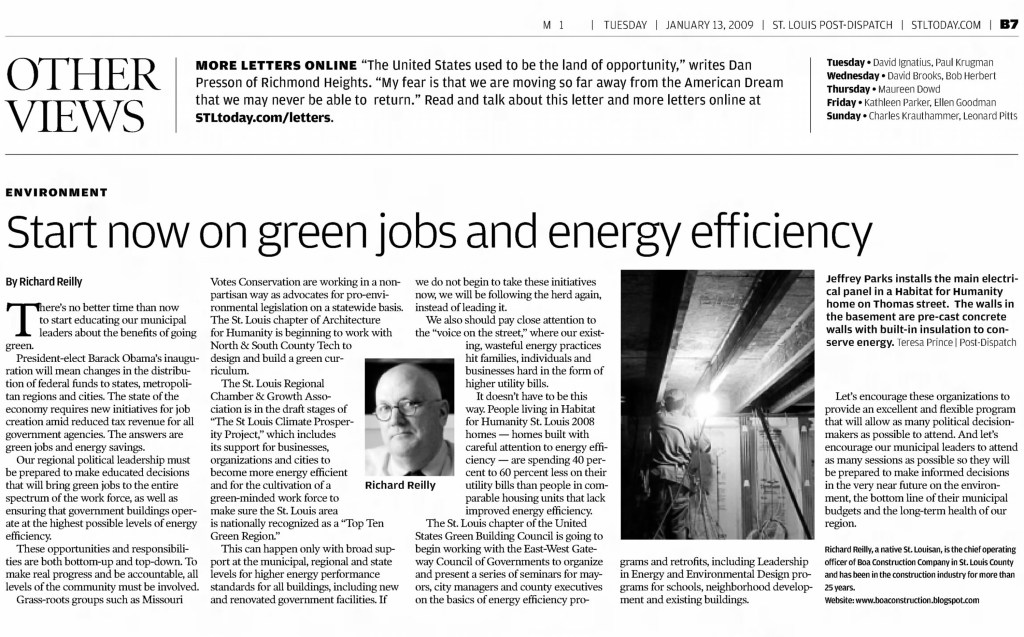
I wrote an op-ed in the St. Louis Post-Dispatch in January of 2009, encouraging political leaders to get training in the ‘green’ movement. The idea involved having local officials prepared to wisely use federal stimulus funds anticipated from the Obama administration for ‘Great Recession’ recovery in green workforce development and energy efficiency.
Since that time, strides have been made. Some Missouri communities (St. Louis and Kansas City among them) have upgraded building and energy codes and established energy benchmarking and Building Energy Performance Standards. These goals include improved occupant safety, health, and comfort, while also lowering energy use and greenhouse gas emissions. The more communities adopt such strategies, the more folks are positively affected at the tangible levels of the building they live in and neighborhoods they call home. Continued failure to invest in these strategies is being done so at our peril.
Despite a scientific consensus around climate change, home and building energy efficiency performance, healthy housing principles, and more – there is substantial pushback coming from the Missouri state legislature. HB2384 seeks to mask its disdain for healthy, energy efficient buildings in a cloak of ‘affordability’ by restricting energy codes the 2009 International Energy Code.
I have witnessed such wrong-headed strategies for decades as a builder and educator on best practices in building science. Estimates of construction costs are typically inflated to the point of absurdity and there are plenty of practitioners with enough professional experience to recognize the deceit.
What is omitted from bills like HB2384 is that living in a home is much more than a mortgage/rent payment. It also includes utility costs for electric, gas, water, and insurance premiums. All these expenses must be combined with the mortgage/rent payment to understand the true cost of living in a particular home. Given time, these housing costs will be significantly reduced by adopting more efficient codes. Most homes built with energy efficiency and healthy indoor air quality in mind cost 5-8% more to construct, compared to one built using outdated efficiency standards, but the utility savings will make the additional investment a net positive for homeowners and renters.
Externalized benefits
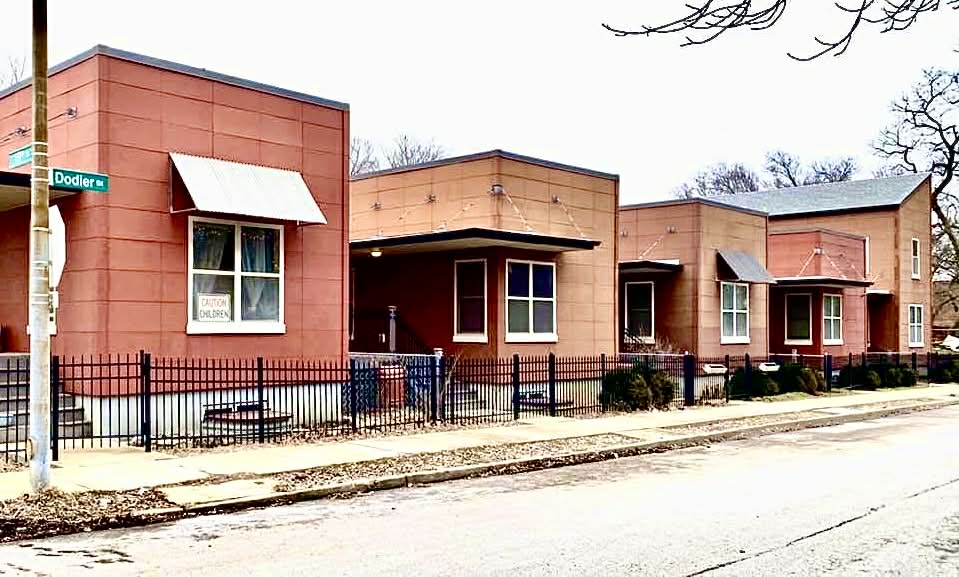
In my time as a volunteer and board member with Habitat for Humanity Saint Louis, the organization moved to LEED Platinum Certified house design and construction. Moving into these homes with managed and filtered fresh air significantly reduced hospital visits for asthma-related problems in children of the families that moved into these homes. Families moving from modestly-sized, substandard dwellings into larger homes built above code saw utilities drop as much as 70%. Imagine going from $100/month cooling bills to $30. For families that need every dollar to go farther, it has been like getting a raise.
When energy efficiency and healthy home benefits save more money than the added construction costs, it also lowers the home’s carbon footprint for the benefit of all.
The video, part of a project I worked on w/ the Institute for Sustainable Communities, Community Builders Network and the Dutchtown South and North Newstead Community Development Corporations, is about affordability and healthy housing for all through an environmental justice lens. This lens includes working under a concept known as ‘targeted universalism.’ What this means is embracing a goal of healthy and energy efficient housing for all, then implementing the program in the most historically marginalized and ignored communities first and working our way up to everyone.
We know how to do this.
Until we have healthy, affordable housing for all, ‘now’ will continue to be the right time to do what is right.


