Underhoused: The Front Line Of Tenant Organizing In St. Louis
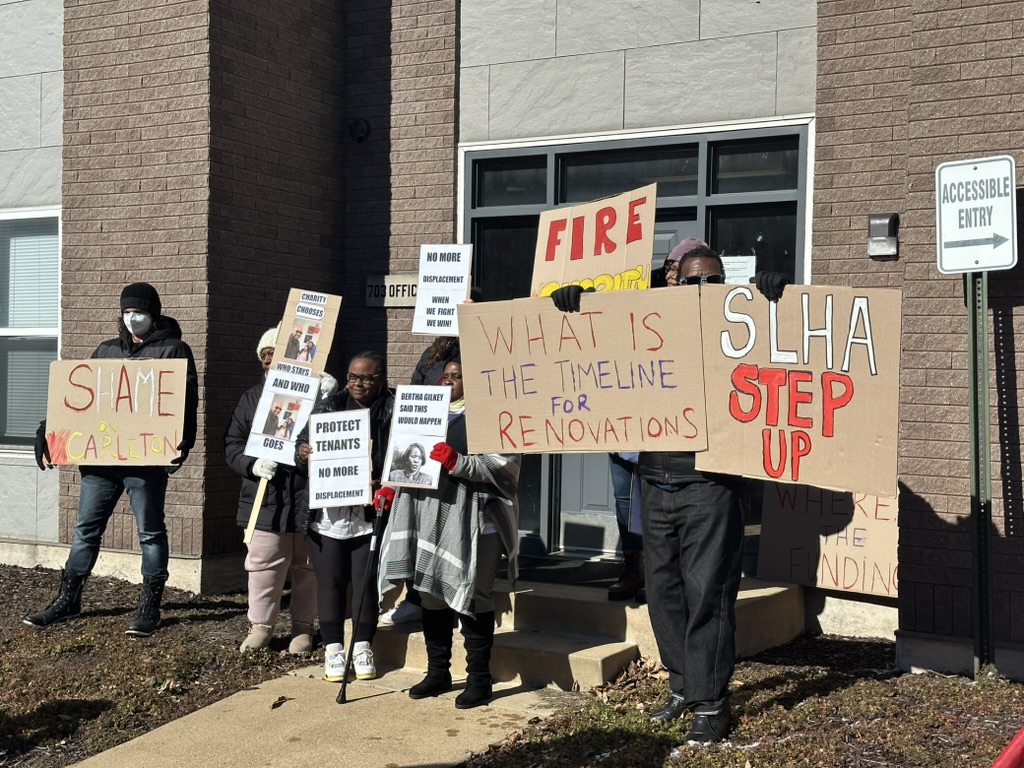
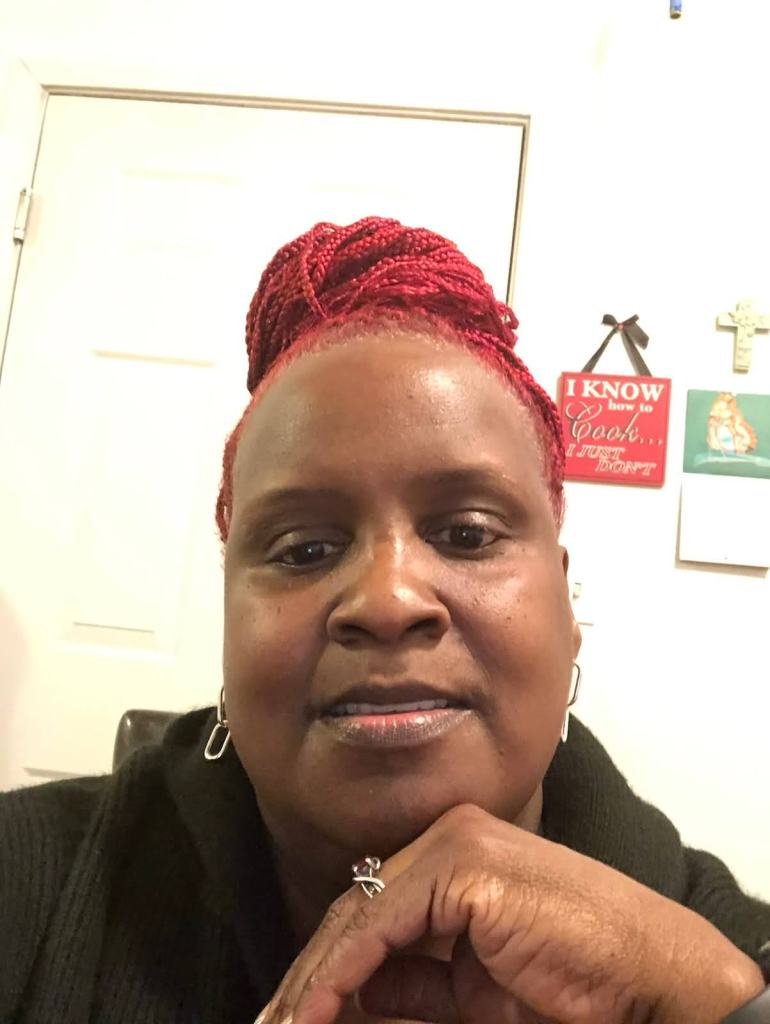
In 1994, Linda Dailey moved into the now-demolished Cochran Gardens public housing complex in downtown St. Louis. Thirty years later, she found herself faced with the life-or-death decision to form a tenant board to defend her right to remain housed in its replacement.
Cochran Gardens was a high-rise facility built in 1952 by the infamous Leinweber, Yamasaki, and Hellmuth; the very same firm that built the Pruitt-Igoe public housing development. The two projects were contemporaries. The main difference: built during segregation, Cochran Gardens was originally intended to house impoverished white families. The public housing developments were integrated in 1956, after the St. Louis Housing Authority had been ordered to cease their policy of explicitly refusing to rent certain units to Black people in the Davis et al. v. The St. Louis Housing Authority decision.
The complex eventually became home to self-identified Black Panther member Bertha Gilkey. In 1969, at just 20 years of age, Mrs. Gilkey led 22000 public housing tenants in a nine-month-long rent strike against the aggressively unlivable conditions in the city’s public housing, eventually leading to a total rehabilitation of the Cochran Gardens complex and twenty years of tenant management. City authorities were eventually successful in dismantling the tenant association with accusations of financial mismanagement. The city then went on to disastrously mismanage the complex, which saw vacancies rise from 10% to 33%, before eventually abandoning the project altogether and demolishing it in 2008.
This legacy of steadfast resistance to the city’s aggression against its own Black population forms the backdrop for Ms. Dailey’s tenant organization efforts. Her main opponents: Carleton Living Property Management Services and the St. Louis Housing Authority.
Following the announcement of Cochran Gardens’ closing, many of its residents, including Linda, were rehomed in 2007 to Cambridge Heights Apartments, a property with 90 subsidized one to five bedroom apartments. A far cry from Cochran’s 700+ units. Bertha Gilkey was instrumental in finding these displaced residents adequate housing, a service that was not openly offered by the housing authority. As of September 2024, 51% of these units sat empty despite many city residents’ desperate need for affordable housing.
From 2007 to 2013, Ms. Dailey lived in a four bedroom unit with her children, only being asked to move to a smaller three bedroom unit after some of her children grew up and moved out. Things remained adequate for the family from 2013 to 2020, when the COVID pandemic began. For undisclosed reasons, in 2020 tenants received letters stating they could remain as long as they pay rent. No formal leases were offered.
The development and ownership status of Cambridge Gardens is a tangle of real estate partnerships, land speculation, and dealings between the housing authority, contractors and developers. A truly American tradition. Built on the footprint of the Cochran Gardens complex, it was developed by Carleton Residential Properties of Dallas, TX and designed by Kennedy Associates Architects of St. Louis. The funding for the project came from sales of tax credits, and ownership of the property belongs to Cochran Redevelopment Phase I LP and Cochran Redevelopment Phase II LP. Not coincidentally, both are a partnership between Michael E Kennedy of the aforementioned architects and Carleton Residential Properties. More than $21 million was received in public grants for the redevelopment.
When asked to comment on the situation at Cambridge Gardens, Val Joyner, Director of Communications at the St. Louis Housing Authority replied “While SLHA owns the land on which the development was built and provides housing subsidies to a limited number of households, the property itself is neither owned nor managed by us.”
In March 2024, Carleton Living (a part of the family of Carleton Companies along with Carleton Residential Properties) employee Charity Coleman became the property manager of Cambridge Heights. From the start, residents say that Coleman adopted an aggressive approach. Residents report being told that they had been living there too long, paid too little in rent, and needed to leave. She threatened fines for minor infractions and made personal remarks to Ms. Dailey, suggesting she should be evicted after 30 years of residency. Coleman also announced plans to convert the property into market-rate lofts and commercial spaces, displacing public housing and Section 8 tenants.
“She came in with gloves off immediately telling us that you all been here too long, you all paid less than $300 in rent. You all don’t stand up for yourselves. And when I come to do your inspections, I hold a gun and I don’t miss.” Says Ms. Dailey. “She started harassing the tenants. She said to me ‘I’m going to put on a hazmat suit and I’m going to get in a dumpster and anybody’s information that I find that’s not in a trash bag, you will be fined. She said to me personally in front of the tenants, she said, you should have been evicted. You’ve been down here 30 years. That’s too long to be in one place.’”
Coleman issued relocation notices, claiming residents were “overhoused” and needed to downsize or leave. 76-year-old tenant Garfield Florida, a veteran who was born and raised in Cochran Gardens, was told by Coleman that he should ask the VA to find a place to stay, though he already had a home and community at Cambridge Heights. Regarding another veteran tenant, organizer Brian Carthans said, “As a veteran, I can tell you that Charity Coleman has been so disrespectful to one of the veterans that lives in these apartments, because they printed out their lease (or some kind of piece of paper) on a real small piece of paper, which was kind of hard to read. And so he had glasses that were from the VA, and she told him, ‘You need to call the VA and tell them to get you a magnifying glass.’ Now, what kind of disrespect is that? What have our veterans done to earn that kind of disrespect? And I can’t find the statistic off the top of my head, but I want to say that like one in five homeless people is a veteran, so it’s an epidemic that’s going on in this country that we’re not taking care of our veterans, and you can see it right here at ground zero.”
Due to the lack of formal leases following the pandemic, tenants claim that Coleman has used the lack of documentation to her advantage, demanding back rent and refusing to issue new leases promptly. Ms. Dailey waited three months to receive her lease after repeated requests.
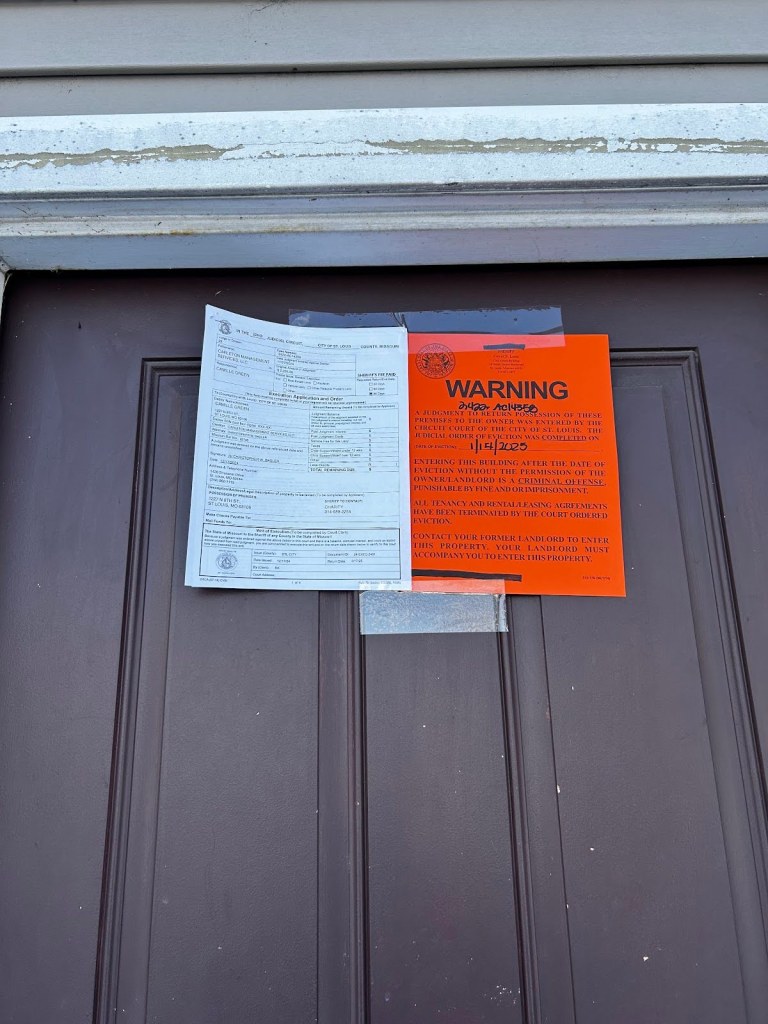
Harsh evictions were performed. Dailey says “So we just saw Charity evict a woman and her children on January 14th, after that storm we had. And that ain’t right. If we don’t stand up for something, we’ll fall for anything. Charity Coleman must go. Why would you want to do this to your people? We’re already struggling. The government is trying to take us out. We are facing a lot of things. Why are we facing homelessness?” Tenants report that Coleman has yet to allow the young woman to retrieve her belongings.
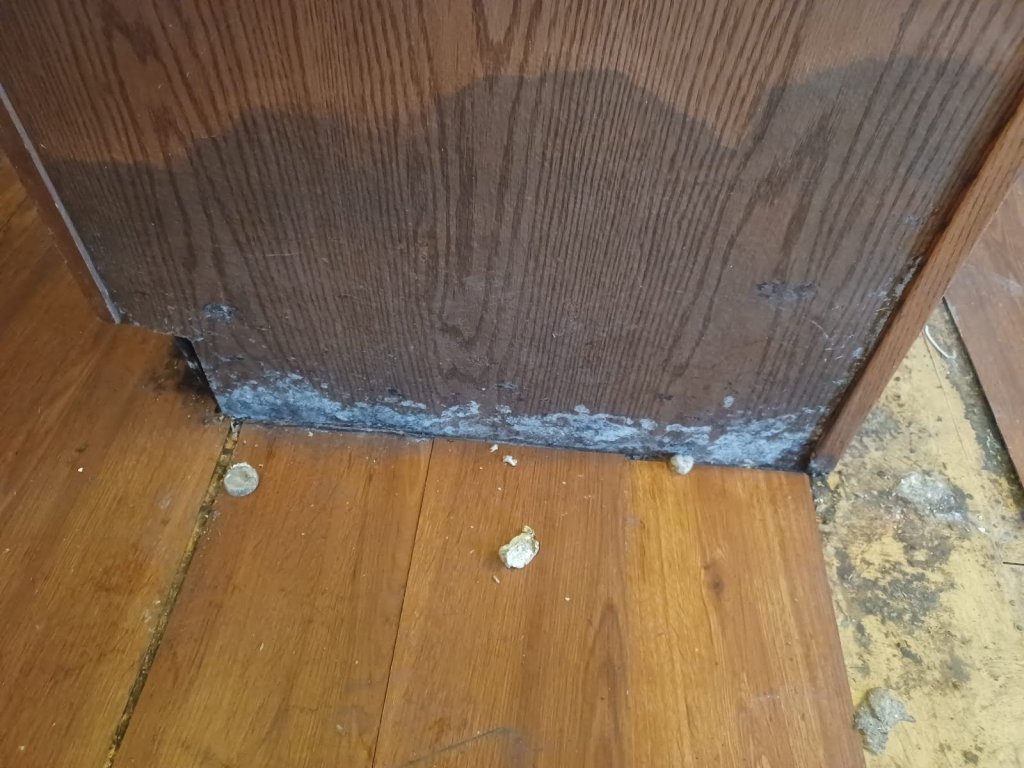
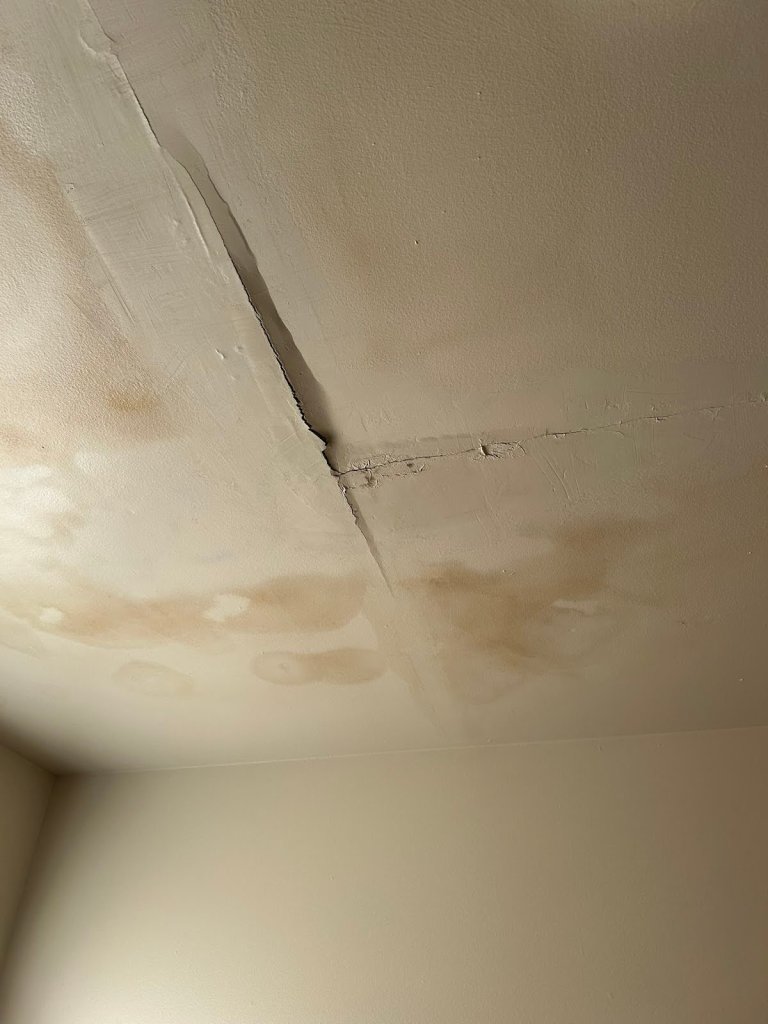
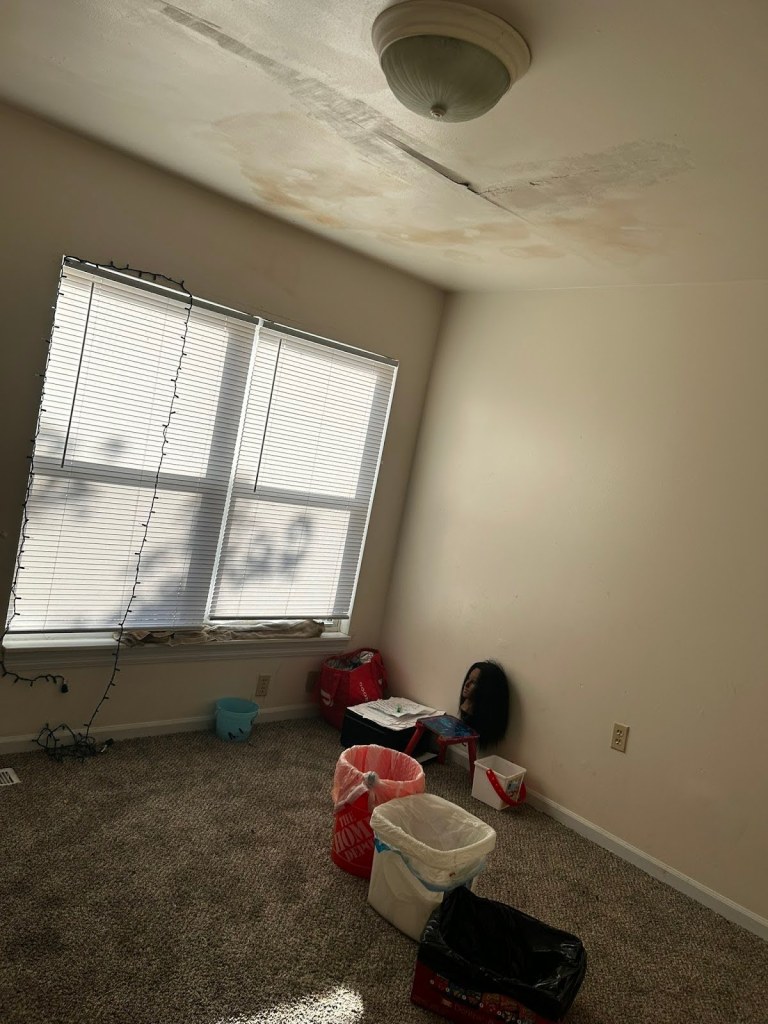
Residents also deal with neglect in property maintenance. Carpets installed in 2013 have never been replaced and repairs were delayed or denied, unless tenants agreed to pay out of pocket. Appliances routinely take months to be repaired or replaced. Dailey’s washing machine broke on September 25th, and no replacements were received until December 7th, leaving her without a washing machine for three months. Coleman refused to address work orders filed before her tenure, leaving many units in disrepair. Inspections by housing authorities revealed significant issues, but no action was taken to improve conditions.
After ongoing delays and inattention to maintenance and repair from Carleton Living and Coleman, tenants escalated their complaints to the Housing Authority. They sought assistance to address the lack of responsiveness. However, the Housing Authority claimed they could not intervene, stating that the property was now privately owned and managed by Carleton Living. Tenants documented the issues, including taking photos of damaged units and keeping records of repair requests and management’s lack of response. Cambridge Heights resident Jackie Davis was eventually forced to file a restraining order against Coleman for harassment and intimidation. Tenants reached out to elected officials, including Mayor Jones and Alderperson Rasheen Aldridge, hoping that they would intervene and support tenant demands for repairs and better management. Despite this outreach, tenants report a disappointing lack of support from their elected officials.
In light of the inability or inaction of elected officials and attendant governmental organizations to help, the tenants of Cambridge Heights took matters into their own hands and formed a tenant board with the help of Sarah Watkins, Lead Field Organizer with Tenants Transforming Greater St. Louis. “We are a Black-led, renter-centered housing justice organization, and we fight for tenant rights and protections, and we support tenants to hold their landlords accountable and to organize to win better living conditions,” says Watkins. “ This is a majority renter city—56% of the residents in this city are tenants or renters. The tenants at Cambridge Heights reached out to us in November about the mistreatment of tenants by Carlton Living that started in the beginning of 2024, and also they contacted us about the lack of accountability from St. Louis Housing Authority. Since then, we have been working closely together, attending tenant meetings, meetings with the Housing Authority and management. We’ve been researching, canvassing door to door to recruit more tenants to the campaign, and I’m hearing the same things from all the tenants. They are fed up with Charity’s behavior, her harassment, and disrespect.”
Despite Watkin’s experience and assistance, there have been significant difficulties in recruitment to the tenant board. Many tenants are afraid to participate in organizing efforts due to fear of retaliation from Coleman. Tenants report past retaliation that includes threatening tenants with eviction or increased rent for those who advocate for their rights. Some tenants are skeptical that organizing will lead to meaningful change, given the lack of support from St. Louis Housing Authority, elected officials, and Carlton Living. Past attempts to address issues through meetings and formal complaints have often resulted in no action or empty promises, leading to disillusionment among tenants.
Many long-term tenants have already been pushed out or evicted, reducing the pool of potential participants. Newer tenants, who may not have the same history or attachment to the community, are less likely to join organizing efforts, especially if they fear losing their housing. All of this is on top of the everyday challenges of institutionalized poverty, like limited access to communication tools, transportation, or legal resources. The constant stress of dealing with harassment, poor living conditions, and the threat of eviction takes a toll on tenants, making it difficult for some to actively participate in organizing.
“We’re not getting any support from the housing authority. We’re not getting any support from the mayor.” according to Dailey. And they certainly aren’t getting any help from Carleton Living. Carleton Living and alderman Aldridge’s office did not respond to a request for comment. When asked to provide a statement on the situation, the mayor’s office replied “The Citizens’ Service Bureau is available to help with service requests” and provided a phone number.
Despite all of this, the Tenant Board pushes on, David to the Goliath of the indifferent capitalist concerns that seek to push out low-income tenants, forever in search of higher rents and wealthier tenants. This isn’t speculation, as Coleman stated this directly to Ms. Dailey upon their meeting. “She said, we’re going to do lofts and commercial property. She pointed out to the buildings where they wanted the lofts to be, and where they want the commercial stores to be and they didn’t want public housing, section eight. They wanted all market rate rent because they said we couldn’t afford to live here anymore,” states Dailey.
The struggles of Cambridge Gardens residents are indicative of the broader assault on working people by real estate speculators and increasingly corporate landlords. The most vulnerable among us, sadly but predictably, face the bleeding edge of the knife that carves up the last vestiges of remaining affordable housing.
The organizers’ solution to the problem: solidarity. They believe that the only way to win change is pressure from the outside on these companies and institutions who seem to believe that there is no accountability for them.
“So the first call to action is to Carleton Living. We want everyone to call Carlton Living. Tell them to meet the demands and fire Charity Coleman. Carlton Living’s number is 814-532-3155. Call Carlton Living and tell them they’re on notice. We also have a call to action to our elected officials. We want real solutions, and we need intervention because everyone’s pointing fingers, and no one wants to take accountability. The littlest things can help. Thank you,” said organizer Sarah Watkins.
“I think anybody that’s dealing with public housing, St. Louis Housing Authority… if we come together collectively, we can make a change. When you fight, you win,” added Dailey.
Donations may be made here.
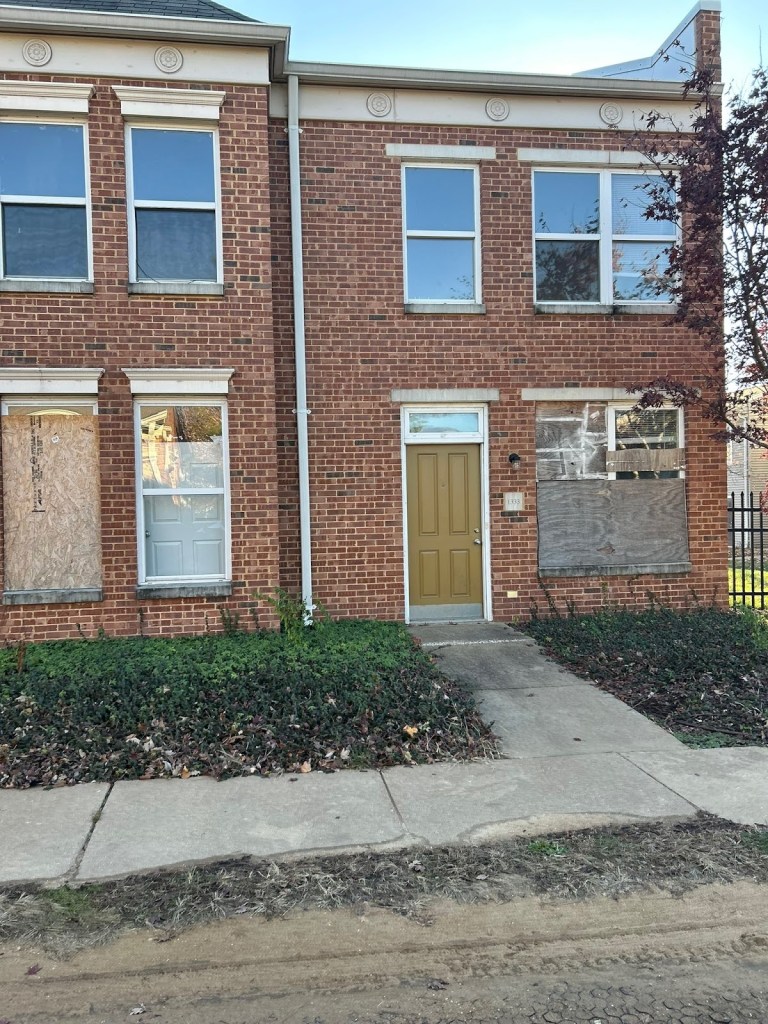
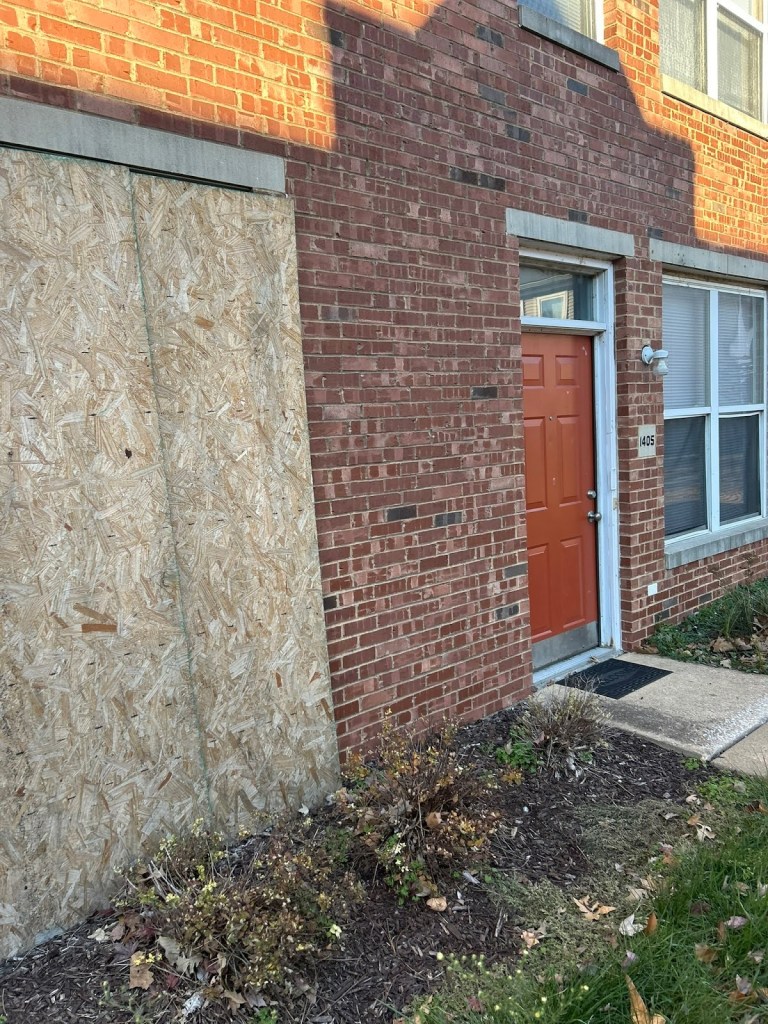
The following photos are tenant submitted documentation of negligent maintenance and the substandard conditions of the residences at Cambridge Heights: