
South City Venues Brace For Potential Loss Of KDHX
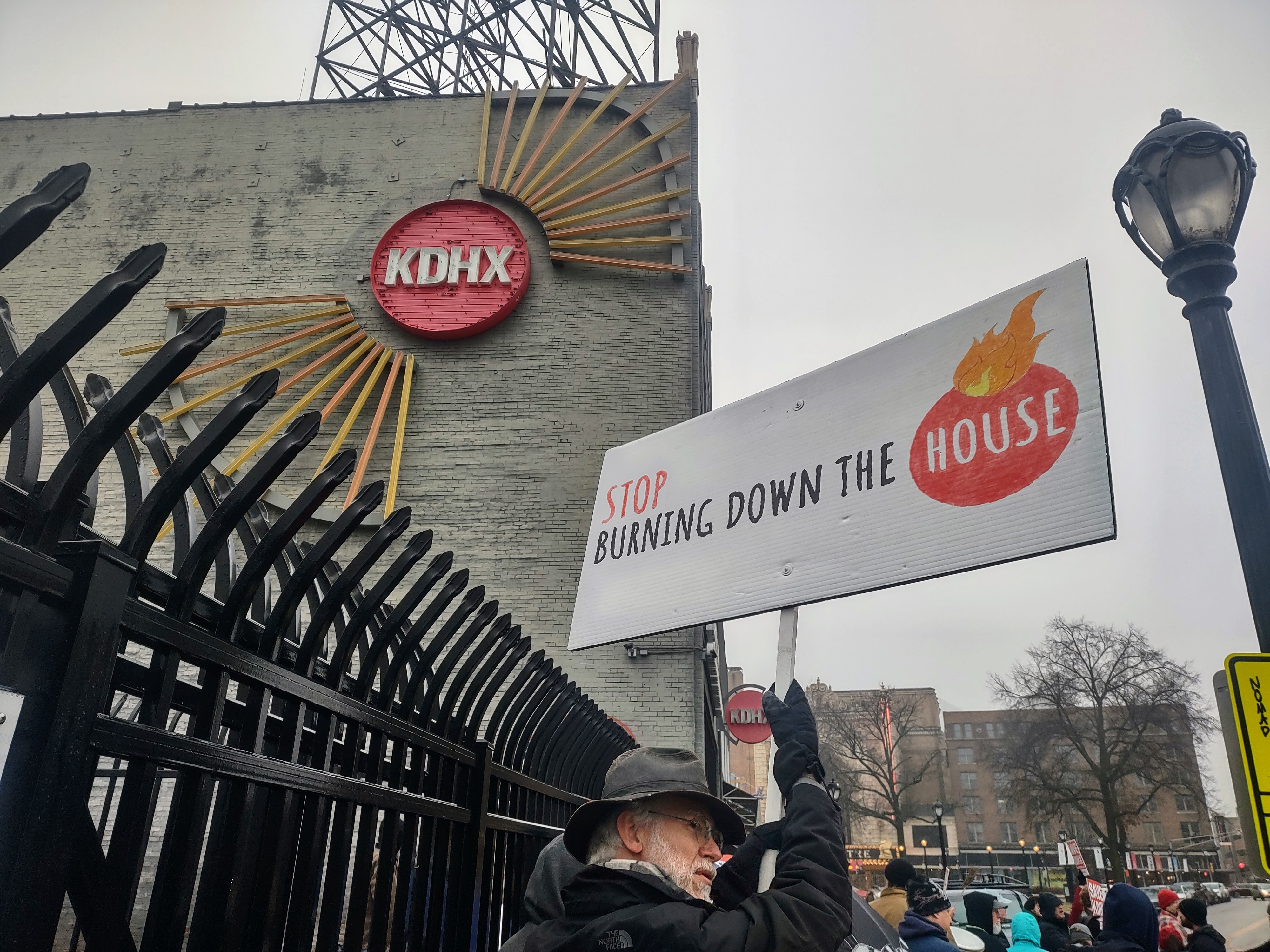
For larger venues, advertising concerts is standard and costs associated with it are built into the ticket price and fees collected by the venue. Many small venues spend almost nothing on advertising to promote the regional and local acts that make up much of their calendars. Instead, they largely rely on awareness spreading by the musicians and their fans on social media. Until recently, there was another avenue to get the word out about their upcoming concerts: KDHX’s concert calendar.
There has been a lot of attention around the station’s turmoil and potential bankruptcy, and the potential damage to St. Louis’ cultural landscape goes beyond losing a radio station. KDHX’s position as a nonprofit station that sits at the intersection of so many musical styles meant that it has become a uniquely important part of the region’s arts and music economy. While the station is still broadcasting, they have ceased airing live shows and the promotion of live music at local venues has mostly ceased.
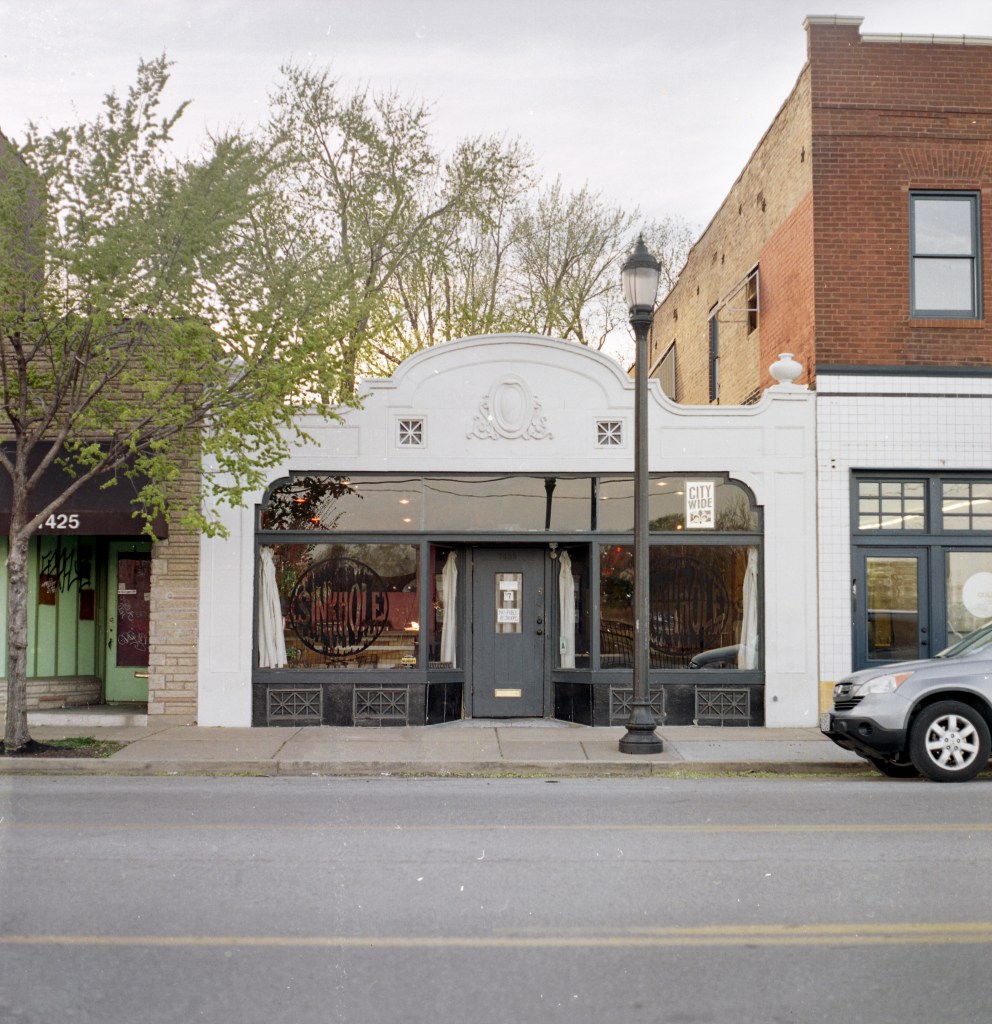
In south city, smaller venue owners are already concerned about the potential impact to their businesses. One credits KDHX with helping the venue establish itself. “The concert calendar announcements early on in Sinkhole’s existence (2016-2017) helped get out the initial word that there was a new venue in town, which was helpful,” said The Sinkhole’s owner Matt Stuttler. “Since we have a focus on original music, KDHX is the only station that would cover the less known touring bands coming through town,” he continued. Beyond the venue, Stuttler also has a personal connection to the station that goes beyond just being a listener. “I was also a volunteer writer for a period from 2012-2016, I believe. I did a ton of local band interviews and show previews / reviews. It hurts to know that that work is now gone forever.”
A few miles away from The Sinkhole’s location on S. Broadway, the owners of Bevo’s The Heavy Anchor are similarly concerned about the impact of KDHX’s potential closure, especially following the loss of the Riverfront Times. “It’s difficult. I used to individually submit each show and event we had to both the RFT and KDHX. I continue to create events on Facebook, announce shows on Instagram, and our calendar on our website is posted three months out with our lineup. But, a lot of people are leaving Facebook. The algorithms on social media means people don’t see a post for days, if they see them at all (and only if they already follow us). It’s really up to the person to actively go directly to the individual venue page or website, which people don’t really do. We have to rely more on word-of-mouth and the bands actively trying to promote their shows,” said venue co-owner Jodie Timbrook.

In the Cherokee St. arts and culture district, Yaquis on Cherokee’s co-owner Beckie Lewis is also worried about the impact of KDHX’s closure. The pizza restaurant features a nightly schedule of music with a focus on jazz, singer-songwriter, and other styles of music that you don’t usually hear on commercial radio. “We were able to reach wider audiences across the region to promote the blues and jazz that we offer nightly. We had folks from rural counties come to the city because they heard it on KDHX,” said Lewis. Yaquis’ musical offerings also have another connection to the station’s controversy, as former KDHX DJs TJ Muller and Mark Mason regularly perform at the Cherokee St. mainstay. “TJ Muller of The Gaslight Squares ran a weekly program that highlighted the jazz music historically played in this city, while holding down a weekly residence. Through the work of the musicians and the promotion of KDHX, it gave a home to historic music at Yaquis. Mark Mason was a musical library for this town, uniting musicians over their birthdays and making sure his father, Wild Bill Mason, could still play his historic trumpet. But since the concert calendar at KDHX stopped, we have noticed a downturn in the amount of ‘outsiders’ that come down for the music,” Lewis added.
Back at The Sinkhole, Stuttler already sees the loss of promotional opportunities for touring acts coming to the venue. “Previously, when bands / agents would ask for local press recommendations, I had an up-to-date sheet with email addresses for suggested DJs for them to contact, categorized by genre. Now, I point them towards local college radio stations that I’m not entirely sure are even active,” said Stuttler. Similarly, The Heavy Anchor’s management sees the damage from losing KDHX and the Riverfront Times compounding. “It’s a huge loss for the music community and St. Louis as a whole. Our music scene is slowly fading. People don’t go out to shows as much, and they surely won’t come out if they don’t even know about them,” said Timbrook.

None of the venues said that they were considering more advertising on commercial radio. “Where would we buy these ads? 105.7 the Point? We’re a small business, and we don’t really have a marketing budget. We book and promote all the shows ourselves. Purchasing ads in mainstream media doesn’t seem to be that effective for a business like ours,” said Timbrook.
While KDHX faces dire financial conditions, the former volunteer DJs recently won a court decision that allows them a say in the event the board attempts to sell the station’s license. Recently, the ex-DJs declared their intention to raise the funds necessary to right the station’s ship. While they continue to hope that the station’s current board will step away, allowing them to retake control of the station, they are also beginning a capital campaign to purchase the station’s license, in the event it is put up for sale.


