Bowling Alone In St. Louis
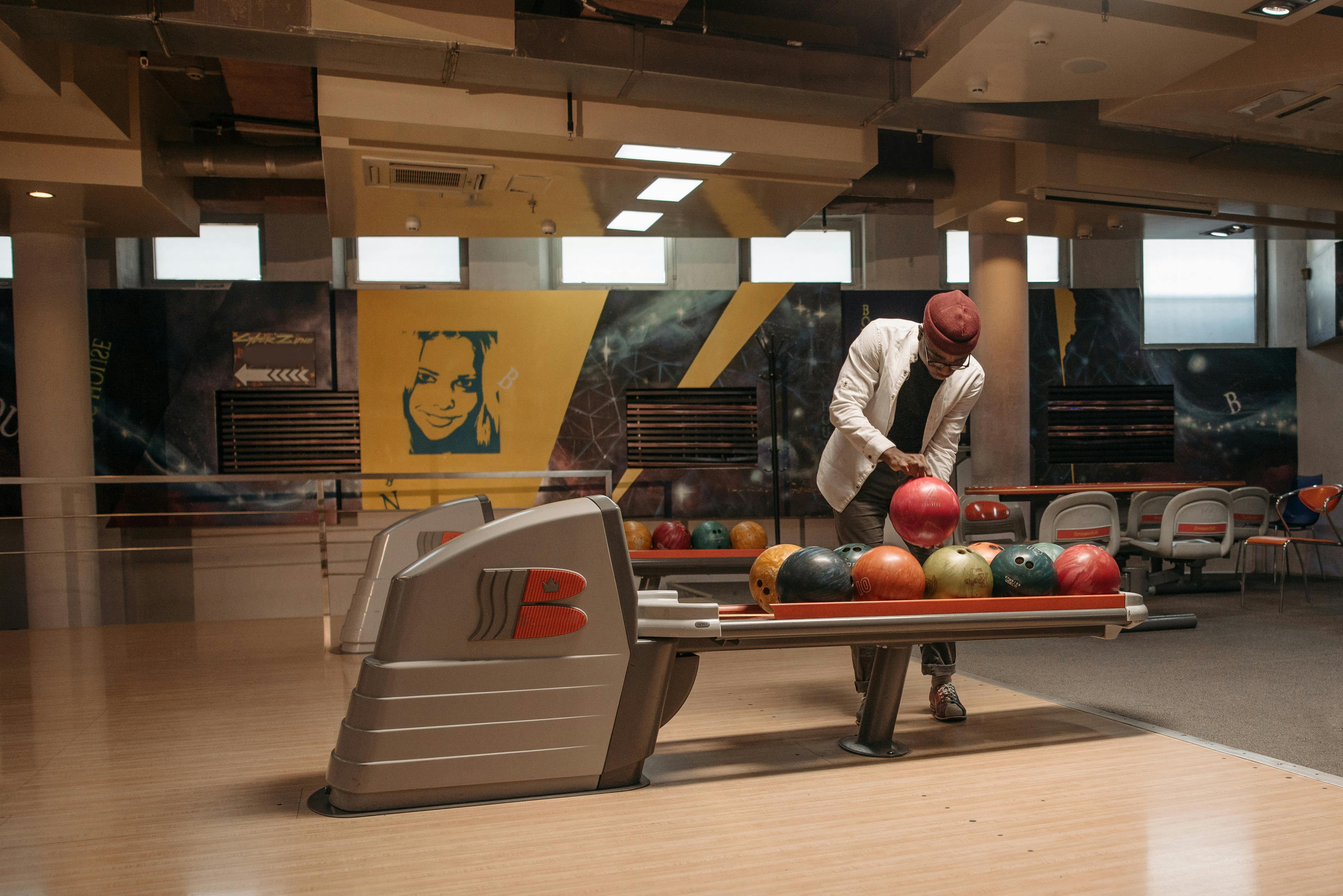
Photo by Pavel Danilyuk
One of the primary reasons that our volunteers have started a non-commercial news outlet in St. Louis is that we believe that the dwindling number of outlets and voices in our local media is bad for democracy. We’re not just talking about political reporting and its impact at the ballot box. We’re also talking about all of the other parts of our lives that have involved grassroots democratic decision making. Things like coverage of volunteer groups and associations that aren’t explicitly political. These non-partisan spaces are very important to training us how to participate in a democracy. They are places where people regularly participate in democratic decision making, even when there isn’t an election. As the region’s few remaining reporters are left with little choice other than to cover groups that can afford a paid communications team that sends out press releases and arranges interviews, we’re missing out on important stories about “small d” democracy. By their nature, these groups are unlikely to have public relations professionals on staff. The sum of all of this is that we’re seeing less and less coverage of organizations that play an important part in maintaining our nation’s democratic traditions.
Whereas individuals from past generations were often members of various associations and clubs, younger generations are less and less likely to participate in these groups. As a result, membership in many civic organizations has dwindled and our social fabric has frayed. With younger generations being less likely to join clubs, fewer and fewer of us are participating in the kind of small-scale democracy that helped build our nation. It is in these social clubs, union locals, and other groupings, where Americans have long learned the basics of how democracy functions in a way that was real and tangible. Most of us may never serve on city council, but a great many of us participate in the decision making of these small clubs and groups. Or at least we used to. In a democratically-organized society, these organizations provide important training in important facets of working together toward common goals, including how to compromise. They are where democracy moves from being something that you do in a booth on election day to something that is part of daily life.

It has been over two decades since Robert Putnam’s Bowling Alone: The Collapse and Revival of American Community was released. In the years since, the breakdown of the USA’s tradition of social and civic club building has continued to deteriorate. Proving the lasting interest in this work, a documentary was recently released on Netflix, which is called Join or Die. The film focuses on the ongoing impact of Putnam’s work and Bowling Alone. In both the book and film, Putnam delves into data about declining American participation in these kinds of voluntary organizations, and also into the question of whether this decline in civil society organizations is related to other problems in American society.
Concurrent to the loss of popularity for social and civic clubs, we have seen political polarization and alienation increase to levels that are leaving our national democratic project facing real problems of legitimacy. Political violence is at a generational high. Depending on what state one lives in, we are now seeing civil rights protections for many groups lessened, after decades of trending toward a greater legal emphasis on protecting racial minorities and other disenfranchised groups. This is a reversal of decades where federal laws and courts saw civil rights becoming more uniform across the nation. Just look at our metropolitan area, where a river not only separates the states, but also draws a legal line. It is one that leaves folks with different abilities to access certain kinds of medical care and other legal protections.
To be clear, we highly doubt anyone believes that the nation’s polarization would be fixed if more people just joined their local Kiwanis Club, but the fact that we’re not exercising these democratic muscles with the regularity of older generations isn’t helping. At the Mound City Messenger, we understand the importance of these small organizations that allow members to participate more fully in our democracy and learn democratic processes. After all, everyone writing and contributing to this website are volunteers. We meet regularly to discuss what stories to run and other aspects of running the site. Because we understand the importance of this kind of volunteering as a basic building block of a healthy democracy, we want to promote and support other “small d” democratic organizations in our metro area. This can take any number of forms. For instance, this week features the first article from Judy Stein, a longtime volunteer at The Focal Point. The venue is a volunteer-run effort in Maplewood that is very much an example of this small scale democracy keeping a music venue open and providing decades of entertainment and education to St. Louisans.
We are not here to mourn the decline of clubs and civic organizations. There are still a lot of these organizations out there, and there are also new ones still being formed. We want to celebrate them! We know that there are a lot more examples of small-scale democracy organizations that we can highlight and support. Help us do that. Are you a member of a union local? Do you participate in a volunteer foster group that helps animals? How about a gardening club or nondenominational choir? Maybe you’re in a pinball or bowling league? In a time when our society is growing evermore socially atomized, we want to spread the word about these kinds of local organizations that bring people together. We want readers to know that these organizations are out there to help provide community in our lives. Please reach out to us and invite us to learn more about your club. The Messenger wants to do our part in supporting our fellow volunteer associations, both new and old. We want to talk to you about both what you do and how you do it. How does your club democratically organize itself? Is there a board? Are decisions made via majority vote or consensus? We want to help people see the important role that volunteer associations serve in our society. We also want them to get an idea of how they would go about starting their own club, etc. As a DIY news outlet, we very much want to spread the gospel of ordinary people getting together to do things for themselves. If you are interested in sharing information about your club and how it is organized, please reach out to us at editorial@moundcitymessenger.com.